










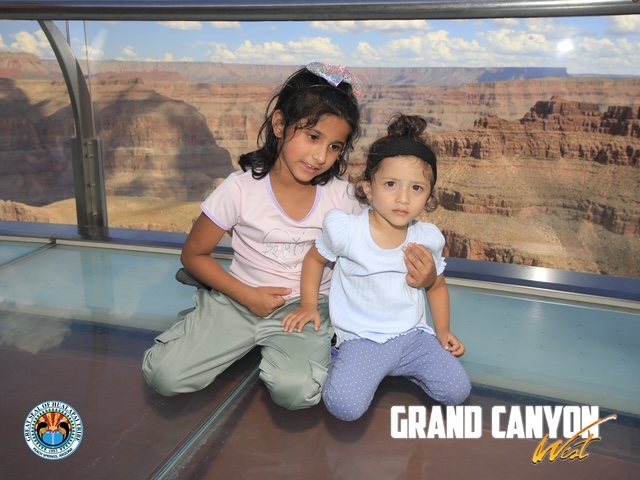




Hi! My name is Aahana.G and I am an 8-year-old girl. I was born in the United States, and I have lived here my whole life. My home is in a town called Bettendorf, in Iowa, and I have lived in this same place since I was a tiny baby. I love it here!
But my family has roots all the way in INDIA! My mom and dad were both born in India and grew up there. They moved to the United States in February of 2016, and that is when our story in America began. They worked super hard to give me and my sister a good home and a good life. They have supported me in EVERYTHING and I love them so much.
I also have a sister! Her name is Irinaa G and she is in some of the pictures with me. We do lots of fun stuff together — we play, we read, and sometimes we are silly. I am proud to be an Indian-American kid: half American, half Indian, and 100% Aahana.G! I made this animal report because I LOVE animals, and I hope you love reading it.





Welcome to my animal study! I LOVE animals so much, and that is why I made this big report. I worked really hard on it and I learned a TON of new things while I was making it. I hope you learn lots of new things too! Animals are so cool and there are so many different kinds, you would not even believe it.
Animals live EVERYWHERE on Earth. They live in the ocean, in deserts, in forests, on mountains, in the jungle, and even right in your own backyard! Some are super tiny, like little ants and bugs you can hardly see. Some are HUGE, like the blue whale, which is the biggest animal that has EVER lived — even bigger than a dinosaur! Some animals have fur, some have scales, some have feathers, and some don’t have any of those things at all. They are all different and they are all amazing in their own way.
In this report I will tell you about lots of different groups of animals. There are amphibians (like frogs!), reptiles (like snakes and turtles), mammals (like us, and dogs, and elephants), and ocean animals like whales and octopuses. I also wrote about the animals that come out at night, the animals that live in the desert, and the ones that hunt and the ones that get hunted. I even made a part about animal lifecycles, which is how animals grow up. I really hope you enjoy reading my report. Please remember that animals share this planet with us, so we have to be kind to them and take good care of our Earth!
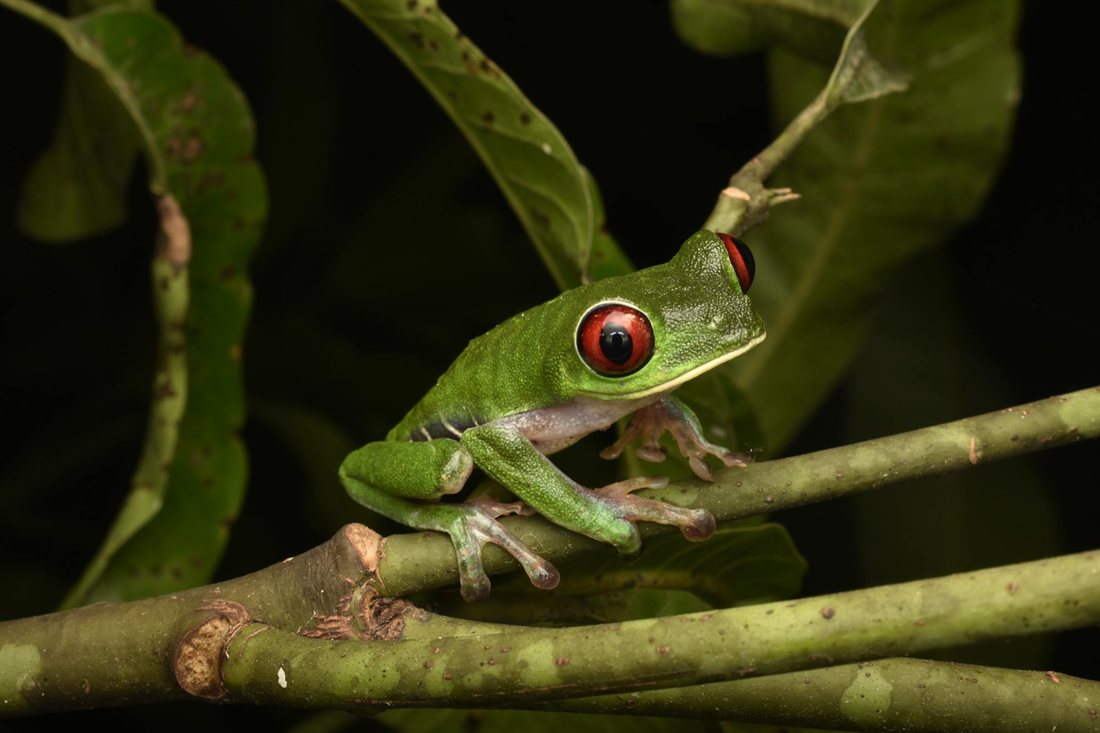
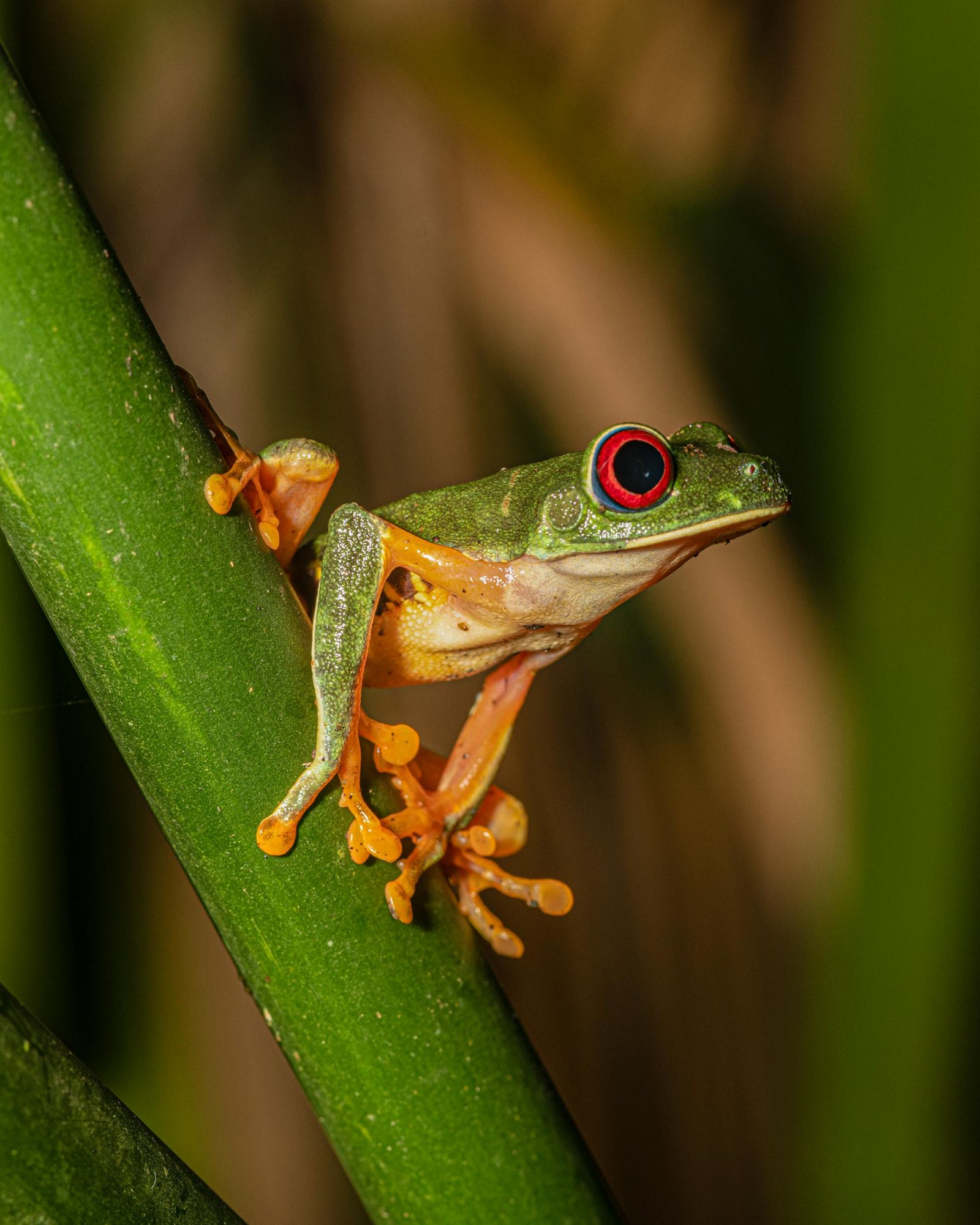
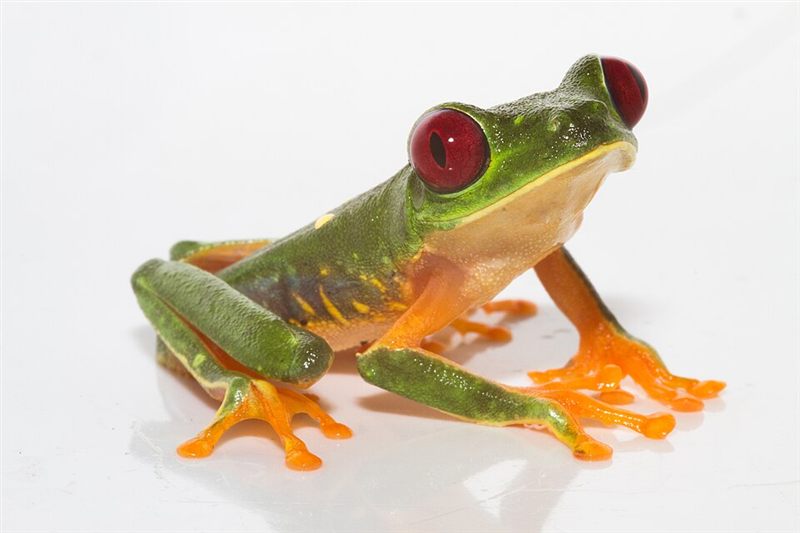
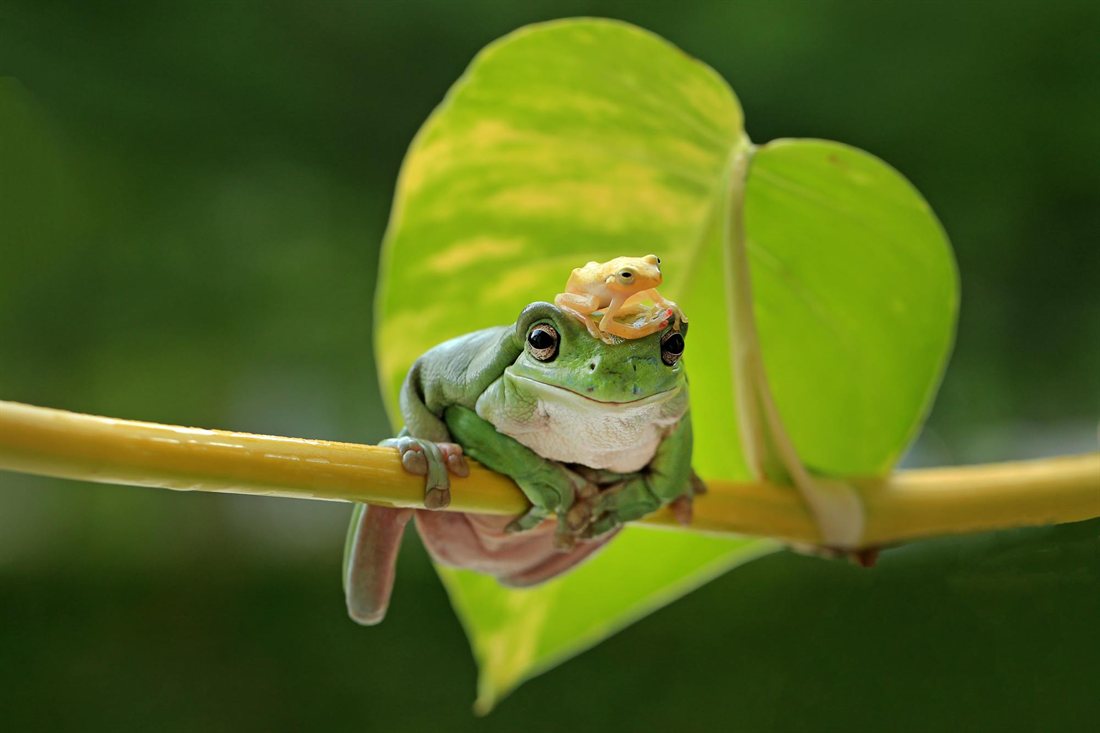
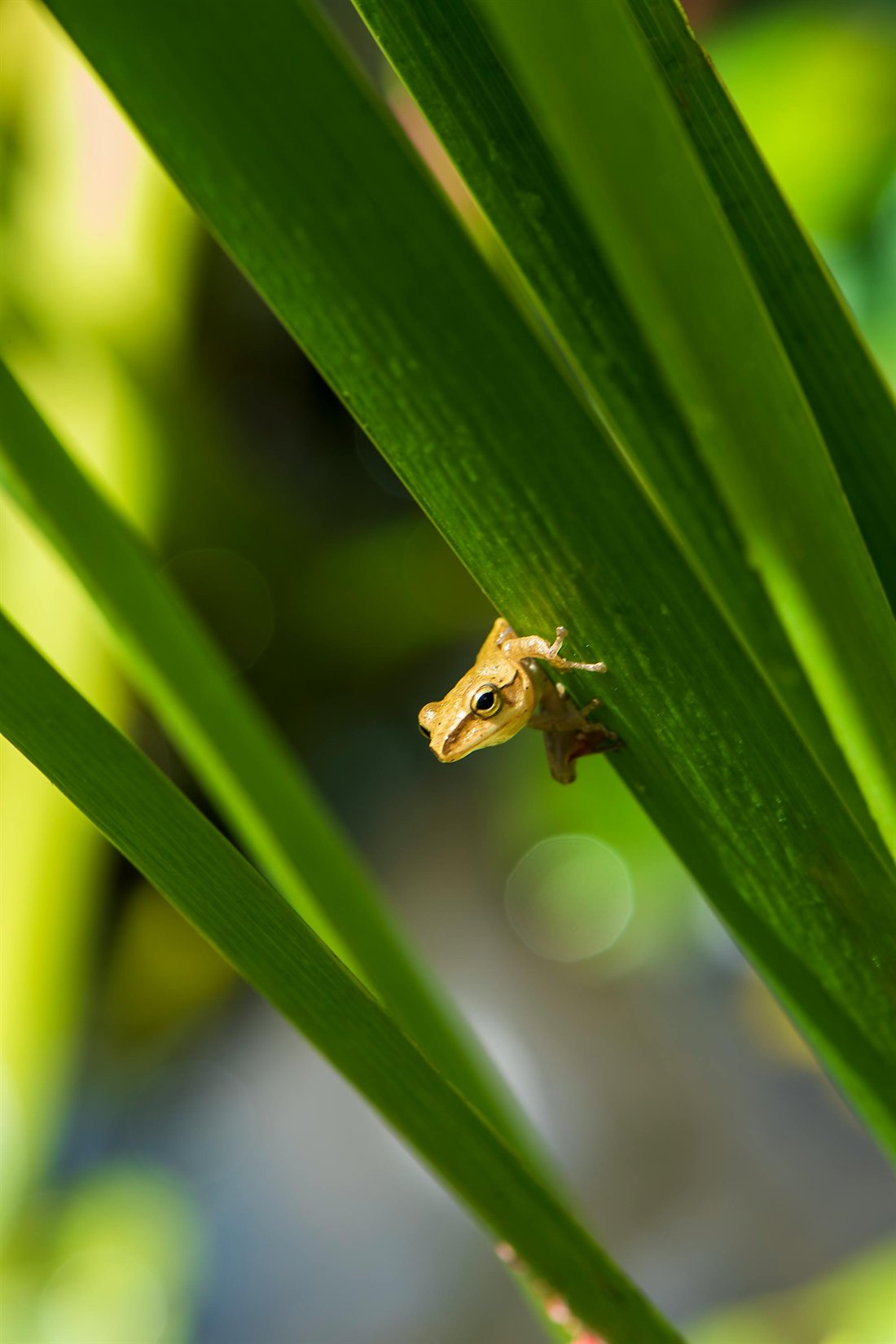
Amphibians are SO cool because they live in two places! They start life in the water like little fish with gills, and then they grow legs and come out on land. Isn’t that amazing? I think it’s like magic. The most famous amphibian is the frog. Frogs can JUMP really really far — like 20 times their own body length! That would be like me jumping over a school bus.
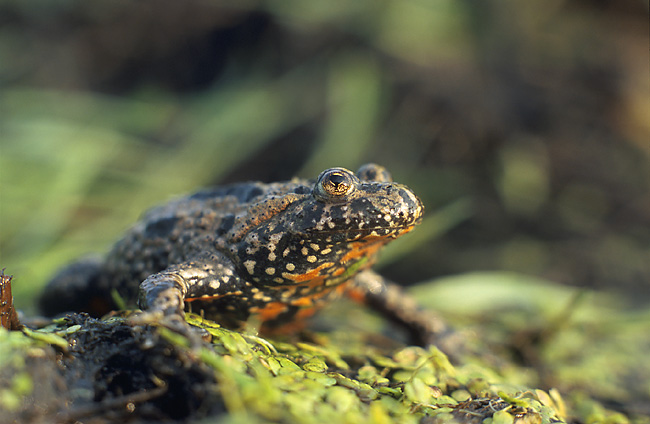
Their skin is kind of slimy and wet, and they don’t drink water with their mouths. They drink it through their SKIN! That sounds weird but it is true. Some frogs are super bright colors like red and blue and yellow. Those are the poison ones, so you should never ever touch them.
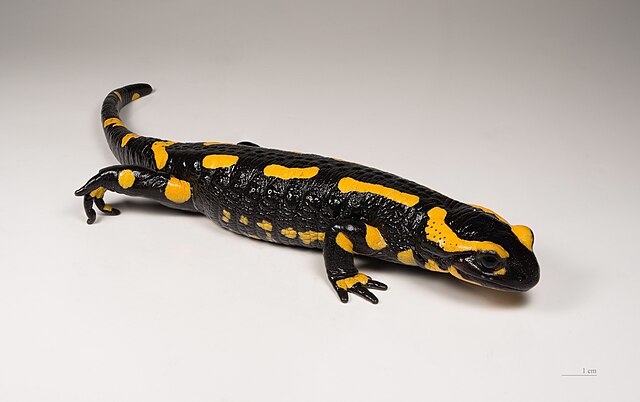
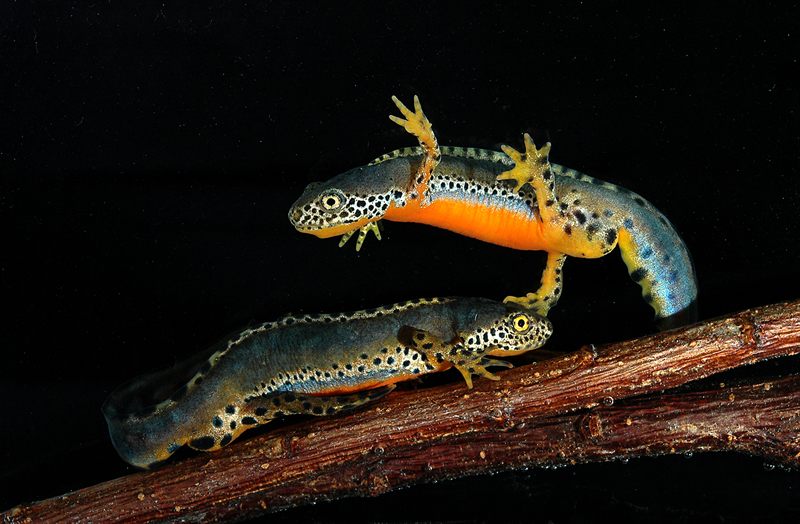
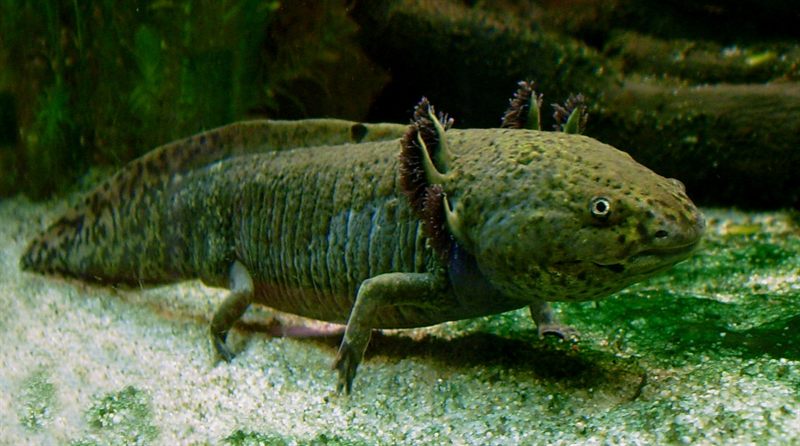
There are also salamanders, newts, and toads. Salamanders are my favorite because if their tail or even their leg falls off, they can grow a NEW one! I wish people could do that. Amphibians live almost everywhere except for super cold places like Antarctica. They need clean water though, so we have to keep our rivers and ponds nice for them.
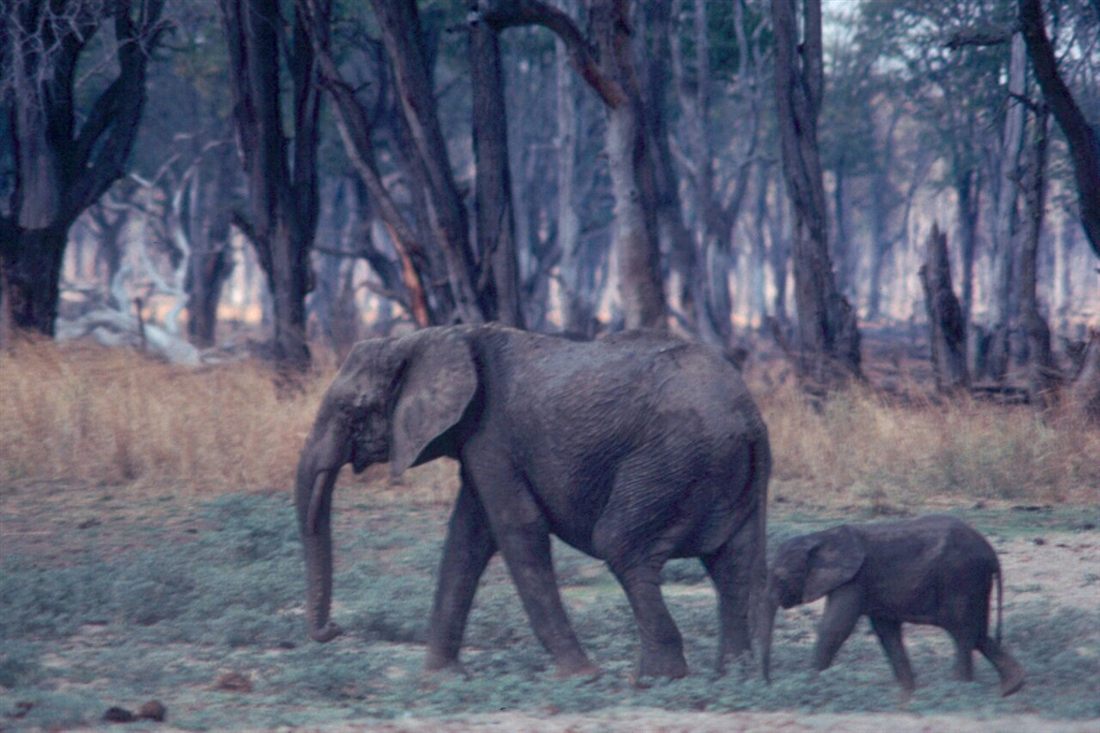
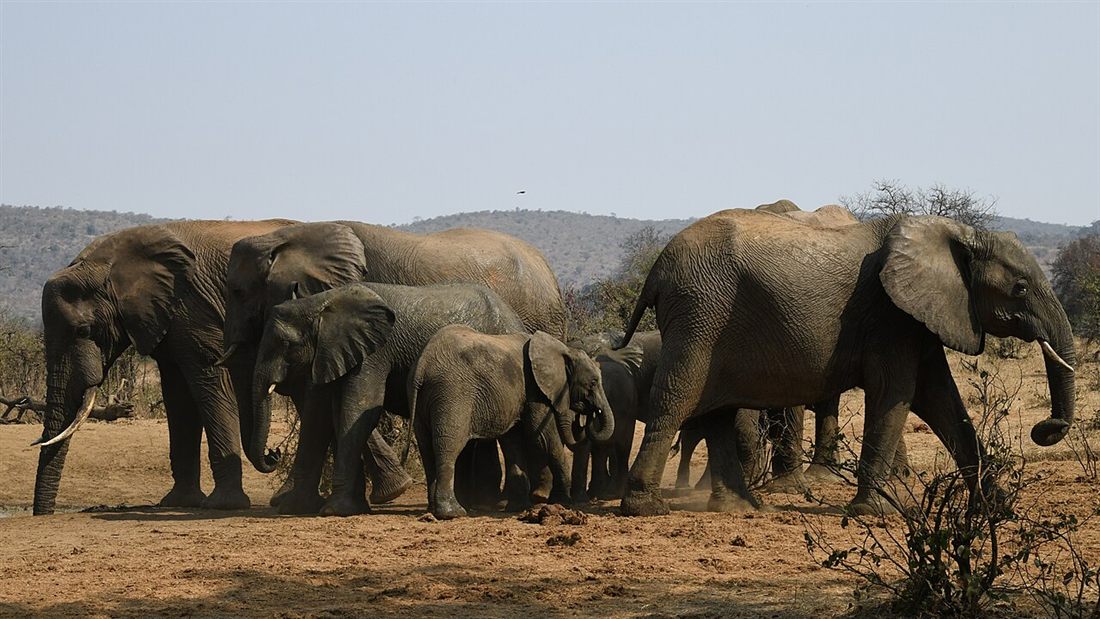
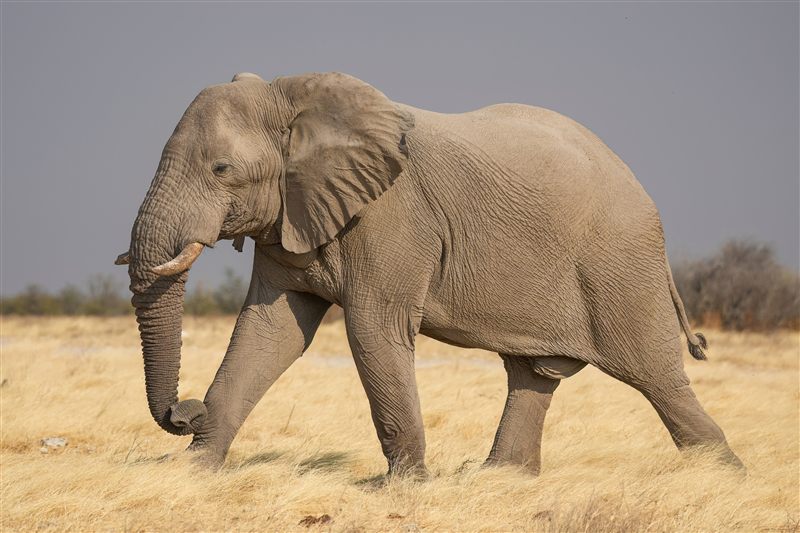
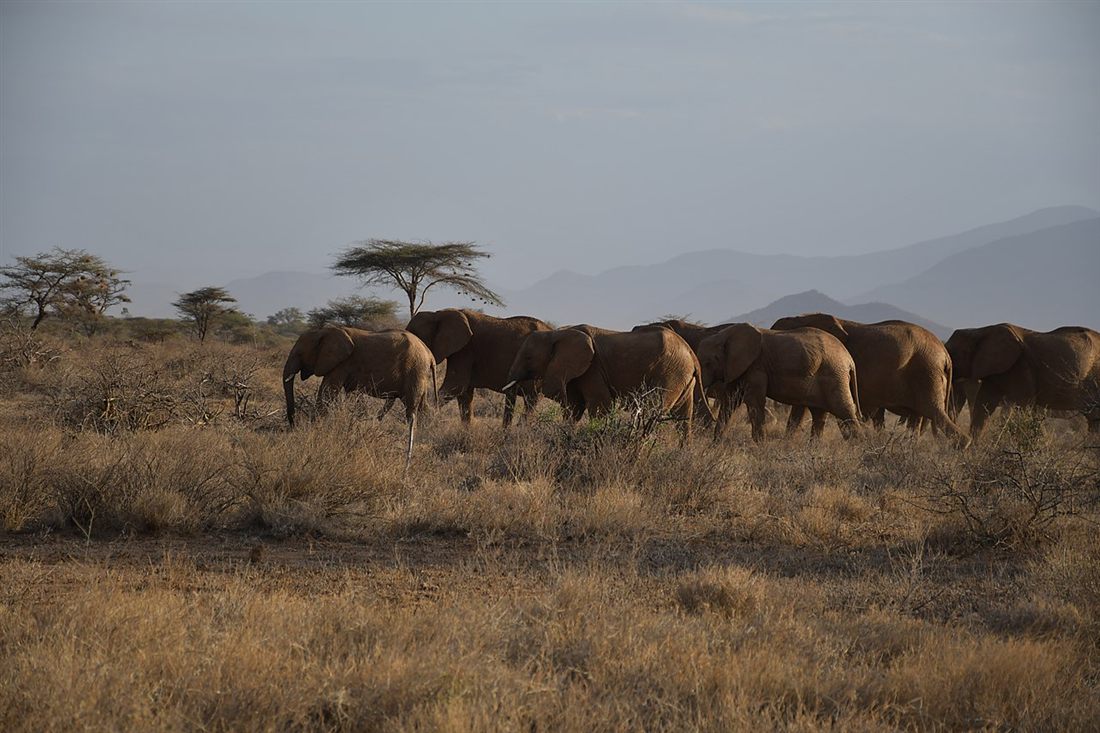
Herbivores are animals that ONLY eat plants. No meat at all! They eat leaves and grass and fruit and seeds and stuff like that. Lots of really big animals are herbivores, which is kind of surprising because you would think big animals eat meat. But a lot of them just eat plants! Like elephants. Elephants eat 300 POUNDS of plants every single day. That is a lot of salad.
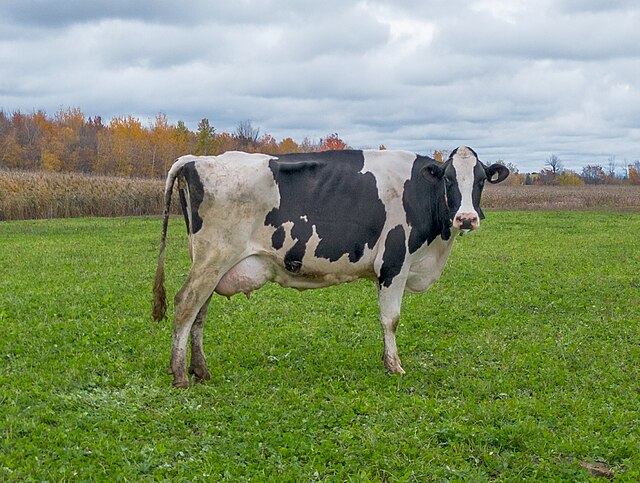
Herbivores have flat teeth in the back of their mouth for grinding up the leaves. Cows have FOUR stomachs to digest grass which I think is pretty weird. They throw up their food and chew it again, which is gross but it works.
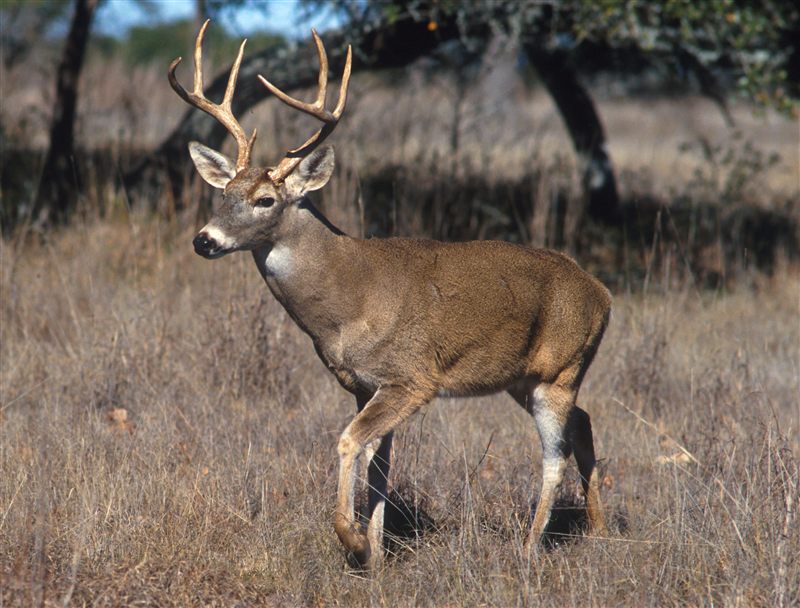
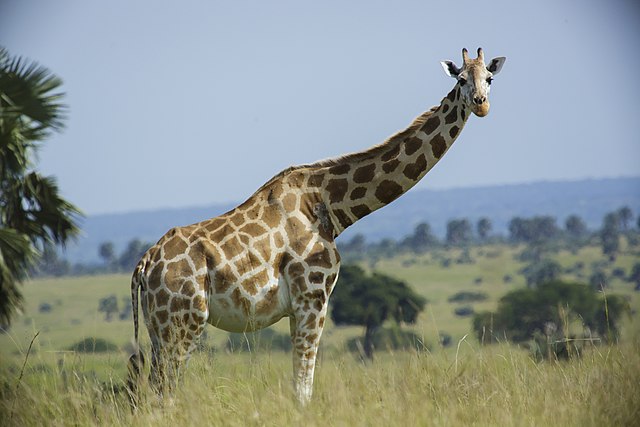
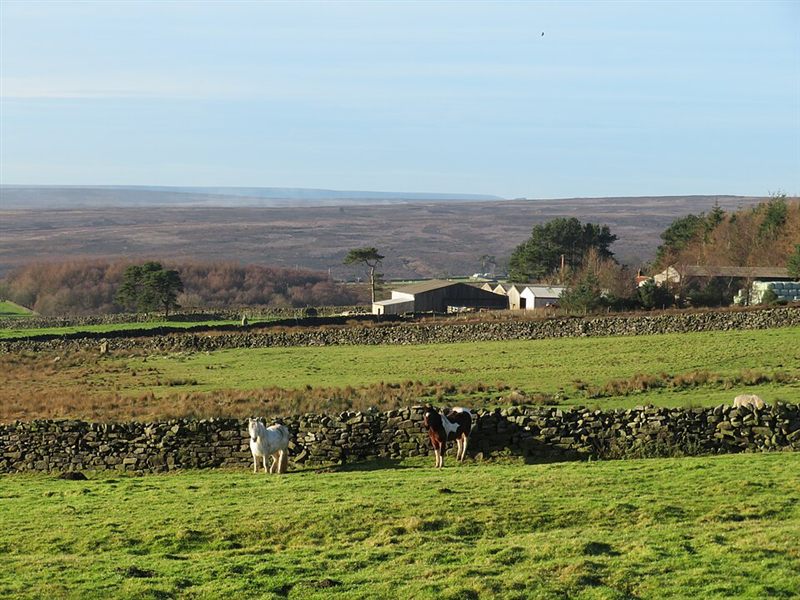
Some other herbivores are giraffes, deer, horses, rabbits, and zebras. Giraffes have really long tongues — like 21 inches long! — so they can grab leaves from the top of trees. Rabbits’ teeth never stop growing for their whole life, so they have to chew a lot to keep them short. Without herbivores, the world would be a mess. The grass would grow too tall and the forests would be too crowded. So even though they just eat plants, they are super important for the planet.

Omnivores are animals that eat plants AND meat. So basically they eat everything! I think that is pretty smart because if one food runs out, they can just eat something else. People are omnivores too! We eat meat AND vegetables AND fruit AND bread and stuff. So we are part of the omnivore club!
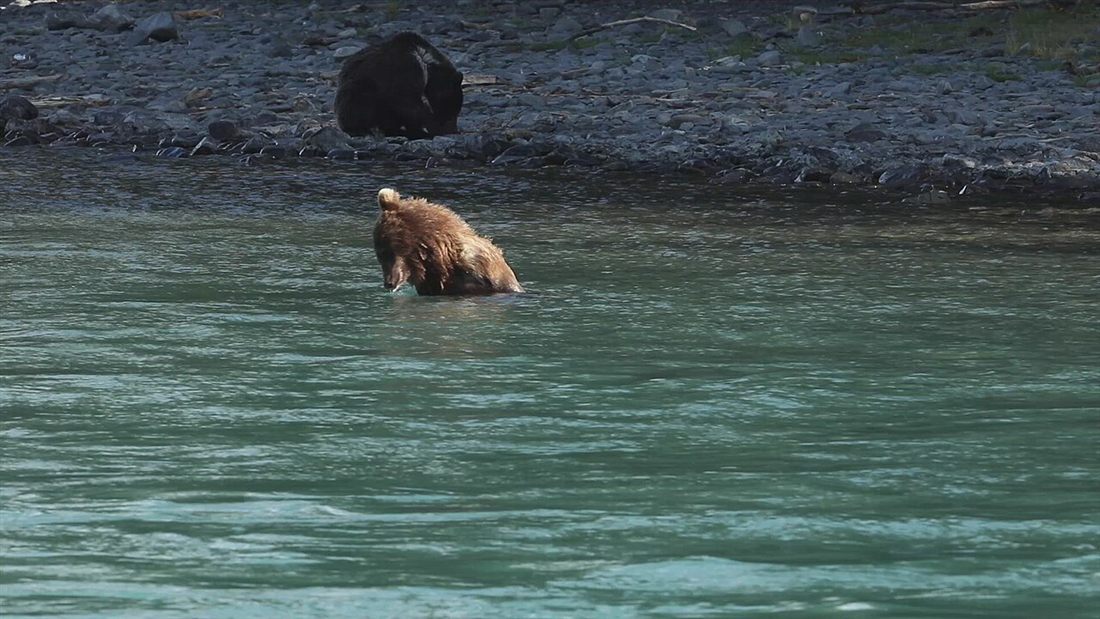
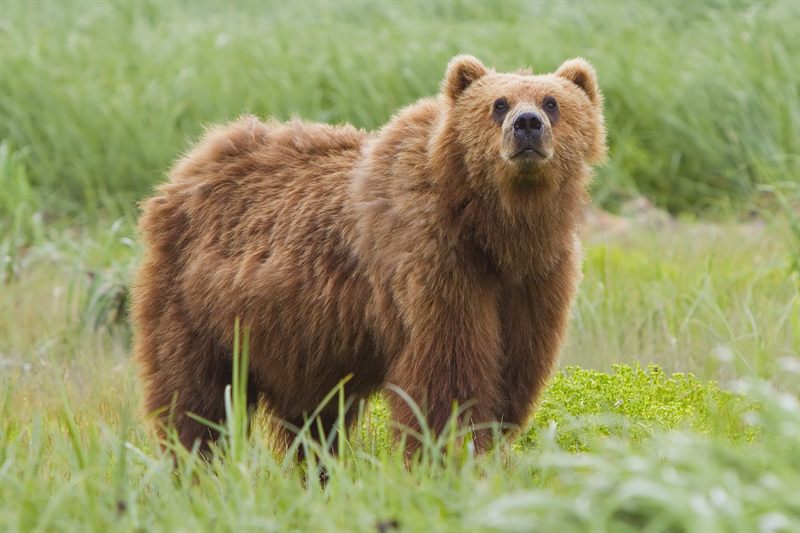
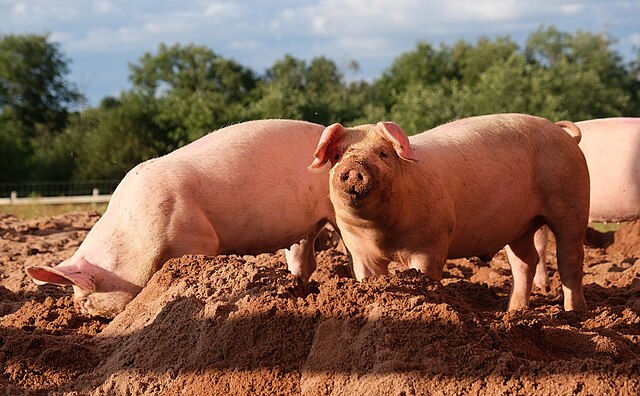
Bears are probably the most famous omnivore. They eat berries and fish and honey and nuts. Some bears even eat ants. Pigs are omnivores too and they will eat almost ANYTHING. My grandma says pigs would eat your shoes if you let them. I don’t know if that is true but it is funny.
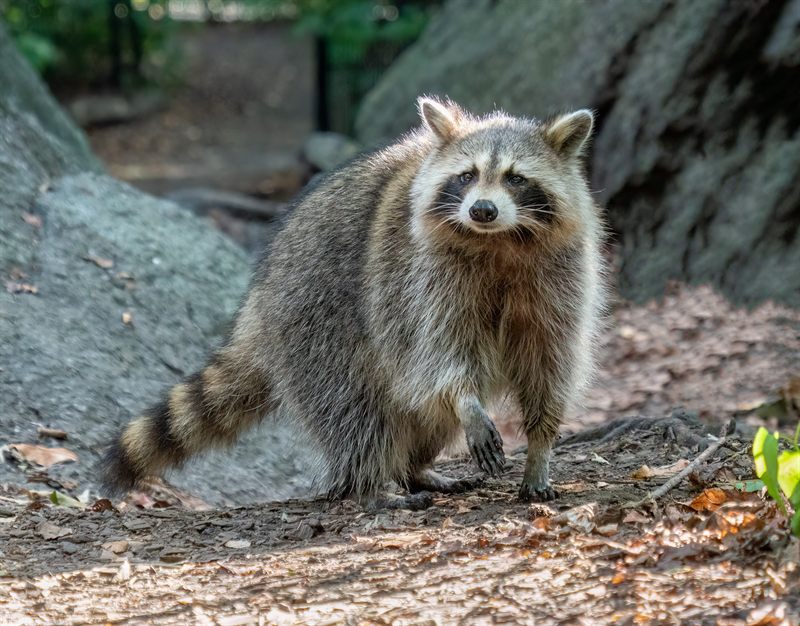
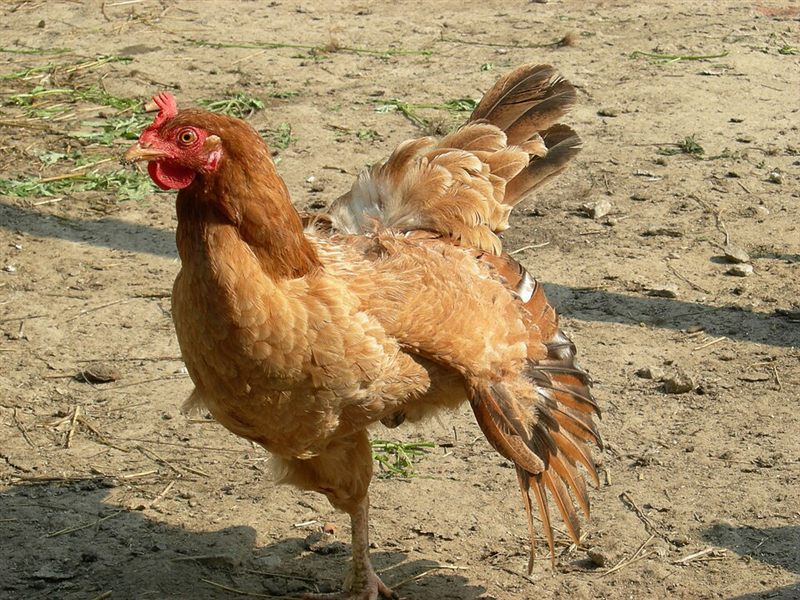
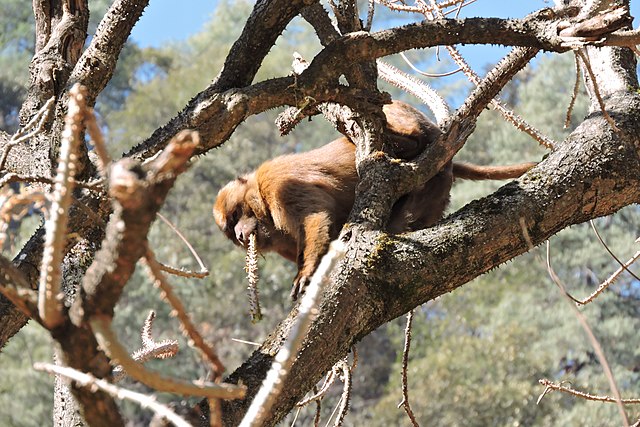
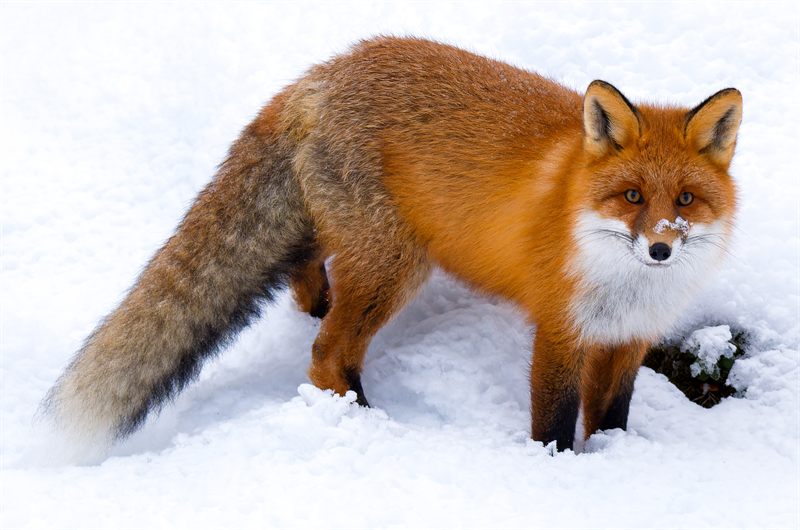
Other omnivores are raccoons, foxes, monkeys, and chickens. Yes, chickens! They eat seeds AND bugs AND even small lizards sometimes. Raccoons are really smart with their little hands. They can open trash cans and unzip backpacks! Omnivores have to be smart because they eat so many different things. Their brain has to remember where all the good food is. That is why bears and pigs and raccoons are some of the smartest animals on Earth.
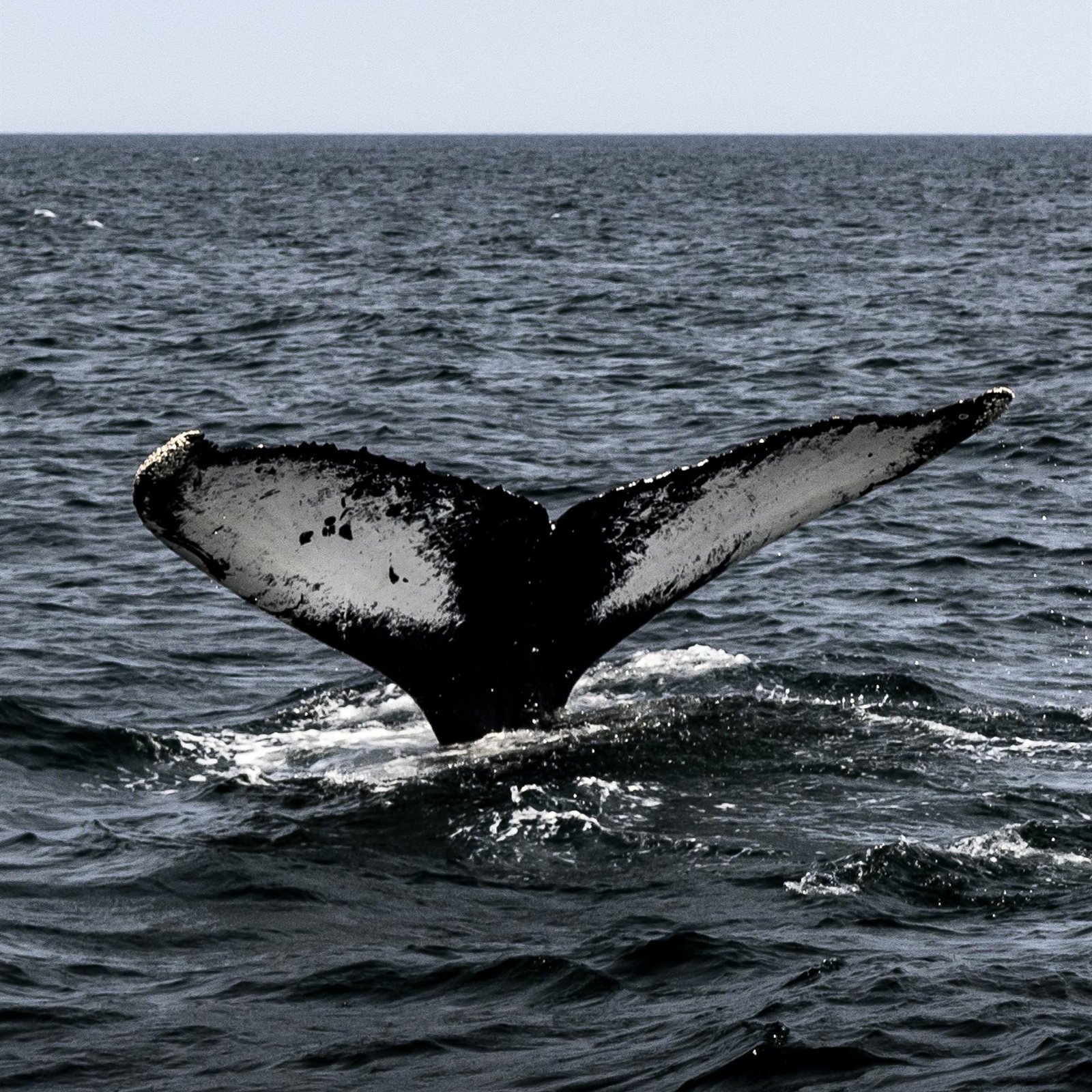
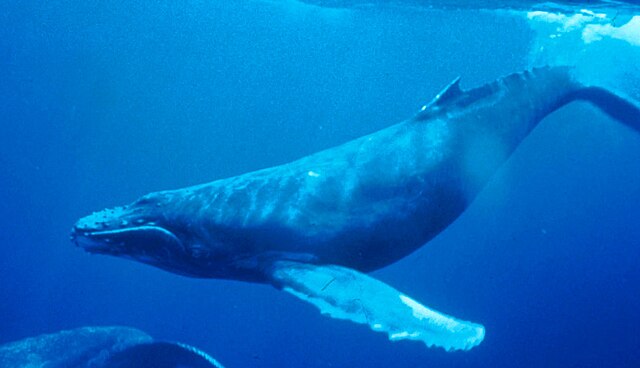
The ocean is HUGE. It covers more than half of the whole planet! And there are so many cool animals living in it. Some of them are weird and some are pretty and some are just GIANT. The biggest animal in the WHOLE WORLD is the blue whale and it lives in the ocean. It is even bigger than a dinosaur was! They sing songs to each other from miles and miles away which is so cool.
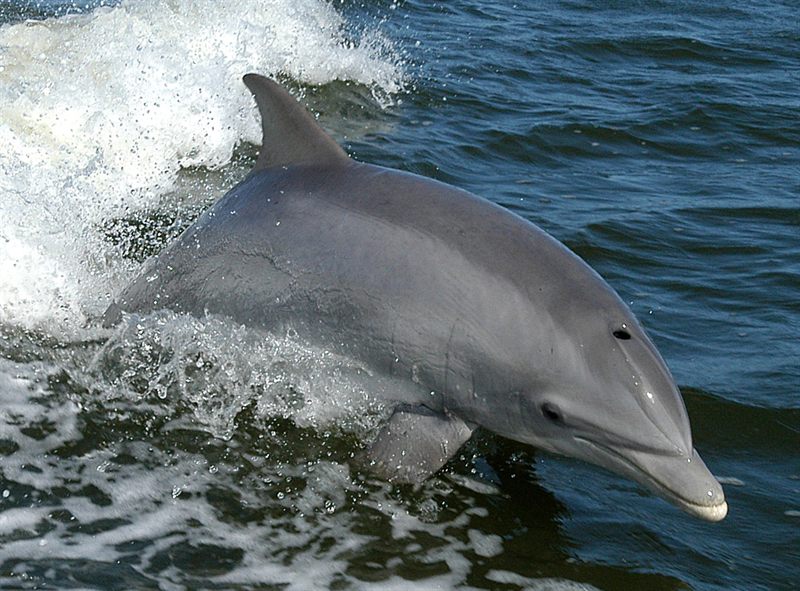
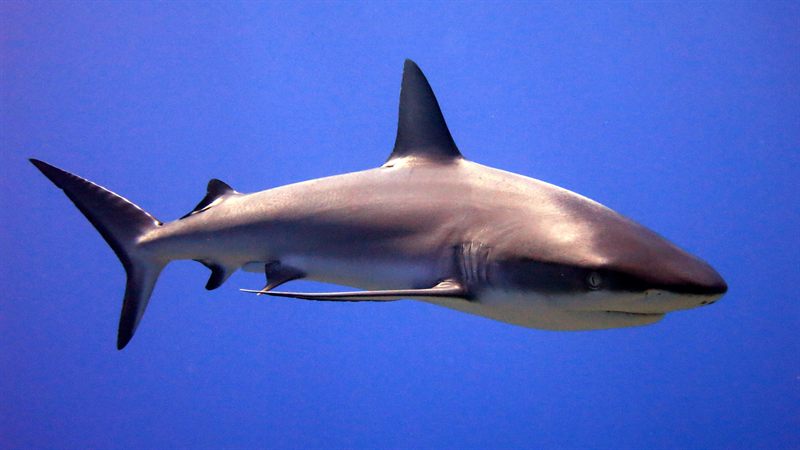
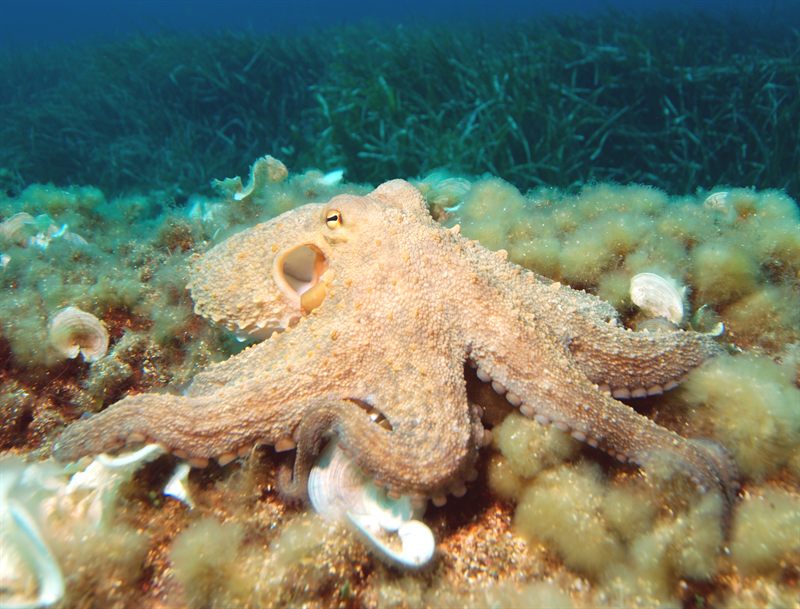
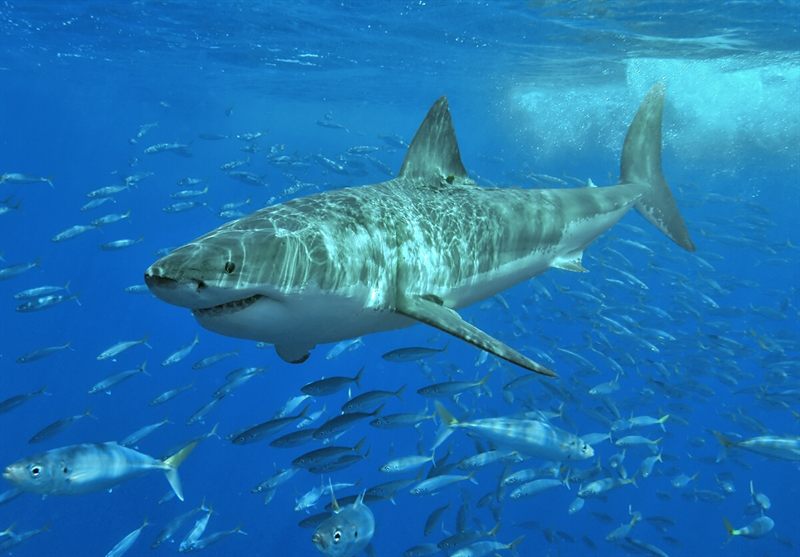
Sharks are also in the ocean and they are kind of scary but also amazing. Did you know a shark can grow up to 50,000 teeth in its life? That is so many teeth! My favorite ocean animal is the OCTOPUS. Octopuses have THREE hearts and BLUE blood. They have eight arms and they are super smart. Some can open jars by themselves. Dolphins are smart too and they call each other names with whistles. Like real names!
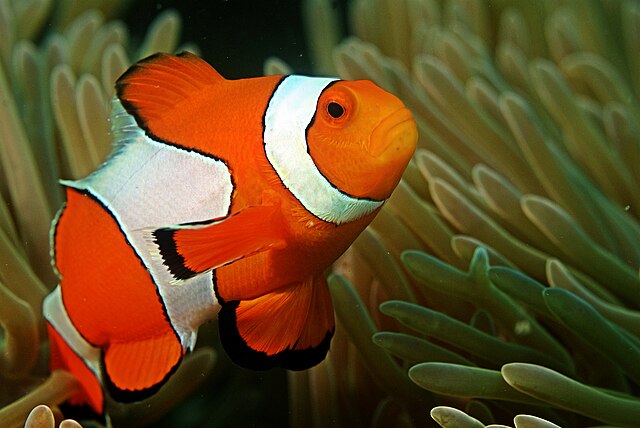
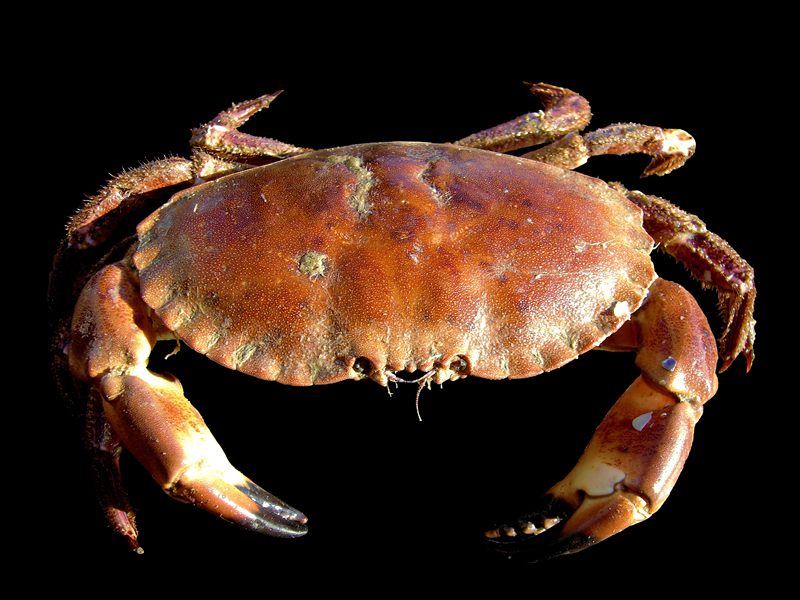
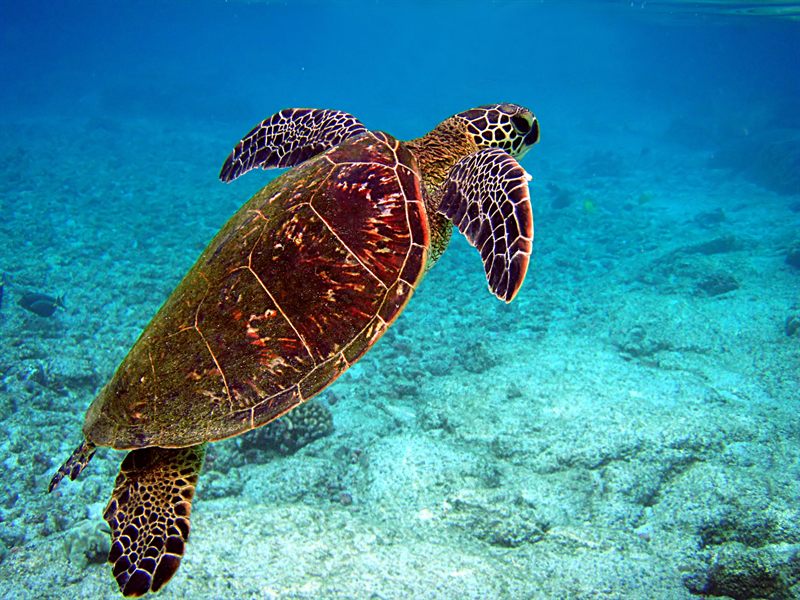
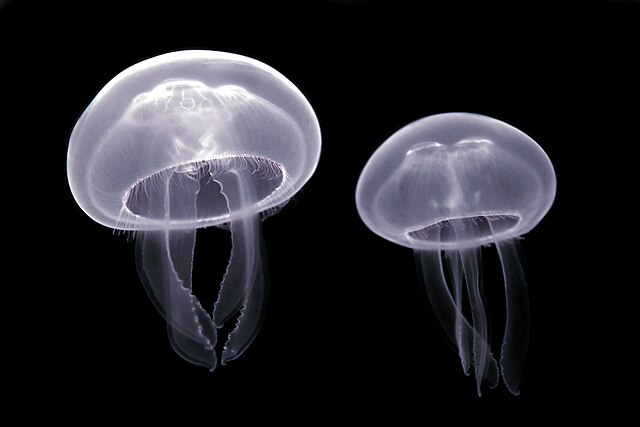
There are also clownfish (like in the movie!), sea turtles, jellyfish, and crabs. Jellyfish don’t have a brain or a heart or any bones at all! They are basically just floating jelly. I think they are kind of spooky but also pretty. There is so much we still don’t know about the ocean. People say there are millions of animals down there we haven’t even found yet. That blows my mind.
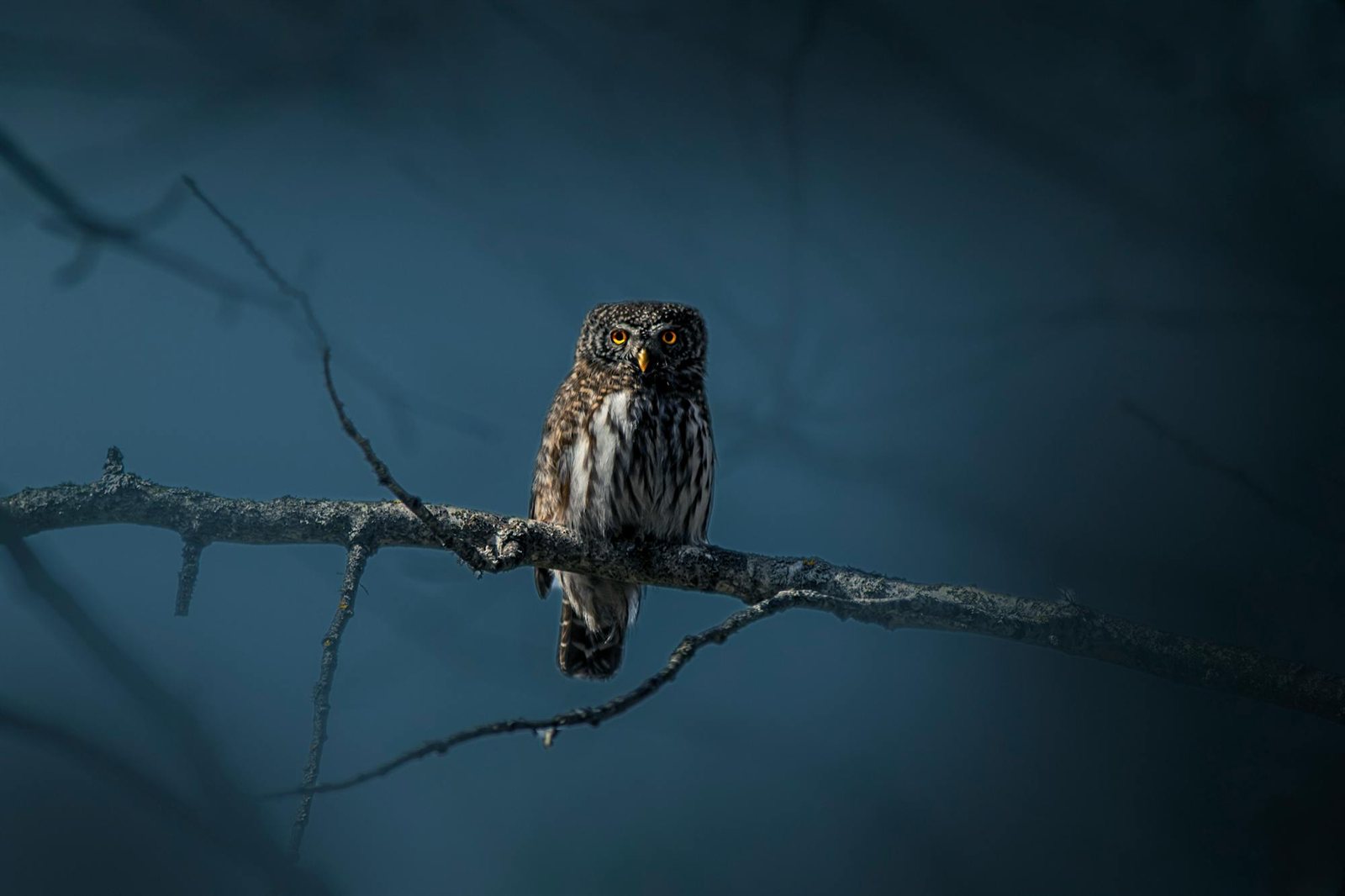
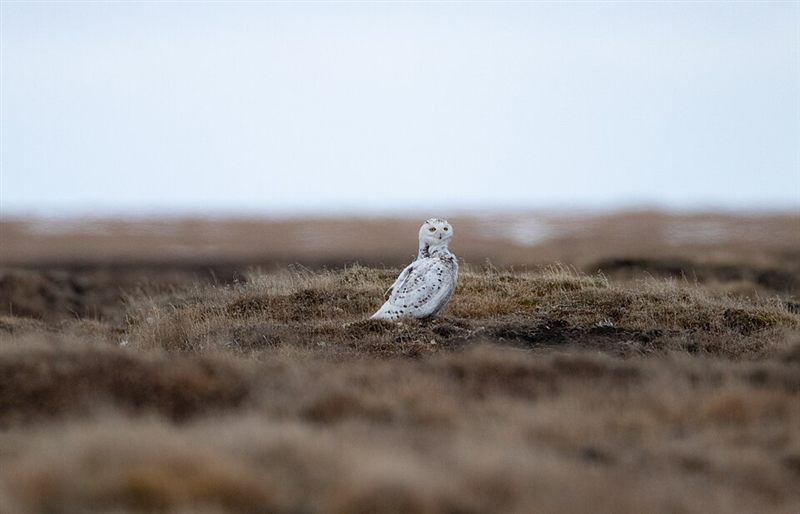
Nocturnal animals are animals that come out at NIGHT and sleep during the day. So basically the opposite of us! When you go to bed, they are just waking up. Owls are nocturnal. They have HUGE eyes that can see really well in the dark. They can also turn their head almost all the way around — 270 degrees! That looks really weird but it helps them watch for stuff.
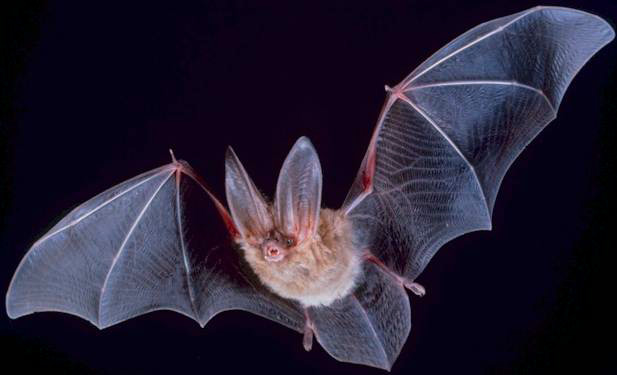
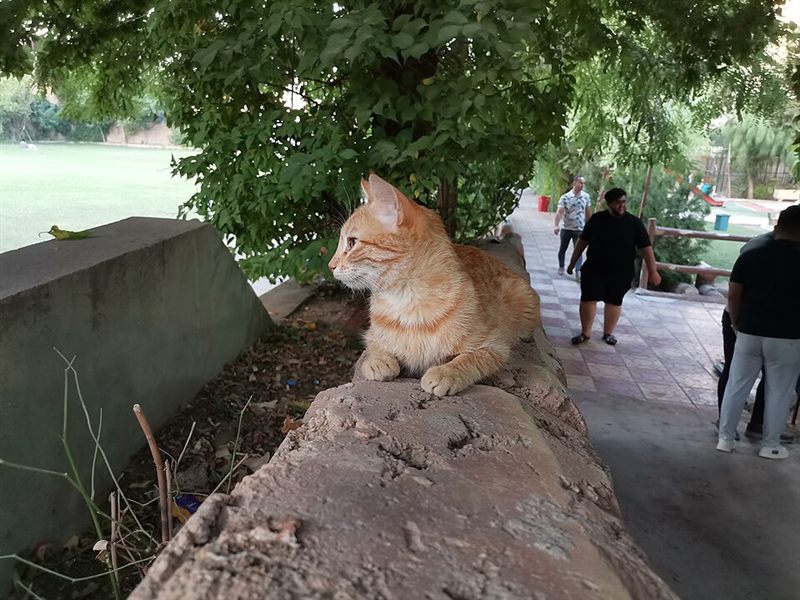
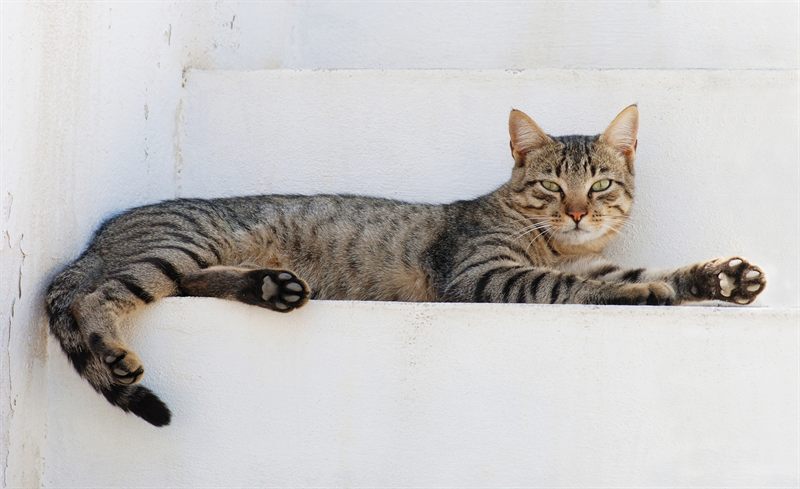
Bats are also nocturnal. They use their EARS to see! It is called echolocation. They make little clicking sounds and the sounds bounce off things and come back to their ears, and that is how they know where they are flying. That is so smart! Cats are kind of nocturnal too. My cat sleeps all day and then runs around like crazy at night and steps on my face. He can see in the dark like 6 times better than me.
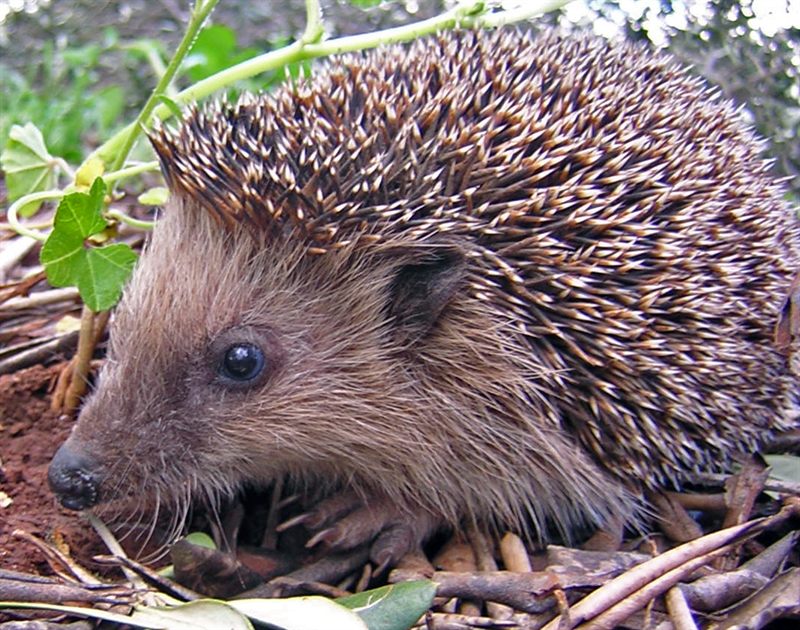
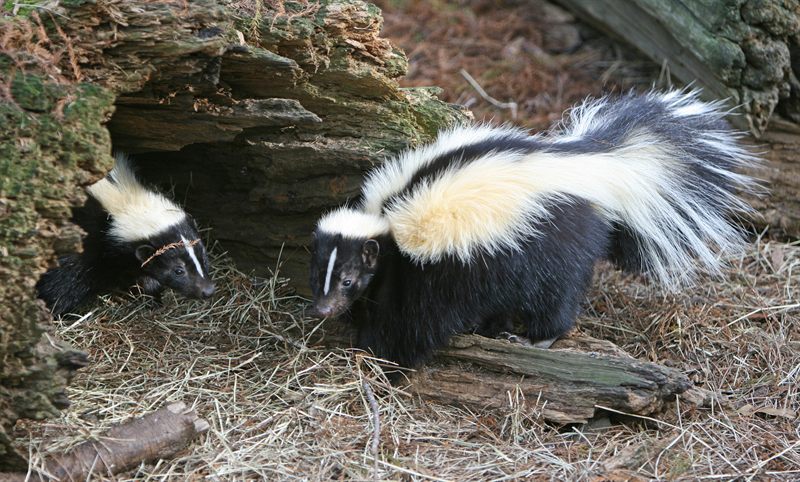
Some other nocturnal animals are foxes, raccoons, hedgehogs, and skunks. They come out at night because it is safer. The mean animals that want to eat them are usually asleep. Also, in the desert, it is WAY too hot in the day so animals just come out at night when it is cooler. The night is full of animals doing stuff while we are sleeping. That is kind of crazy to think about!
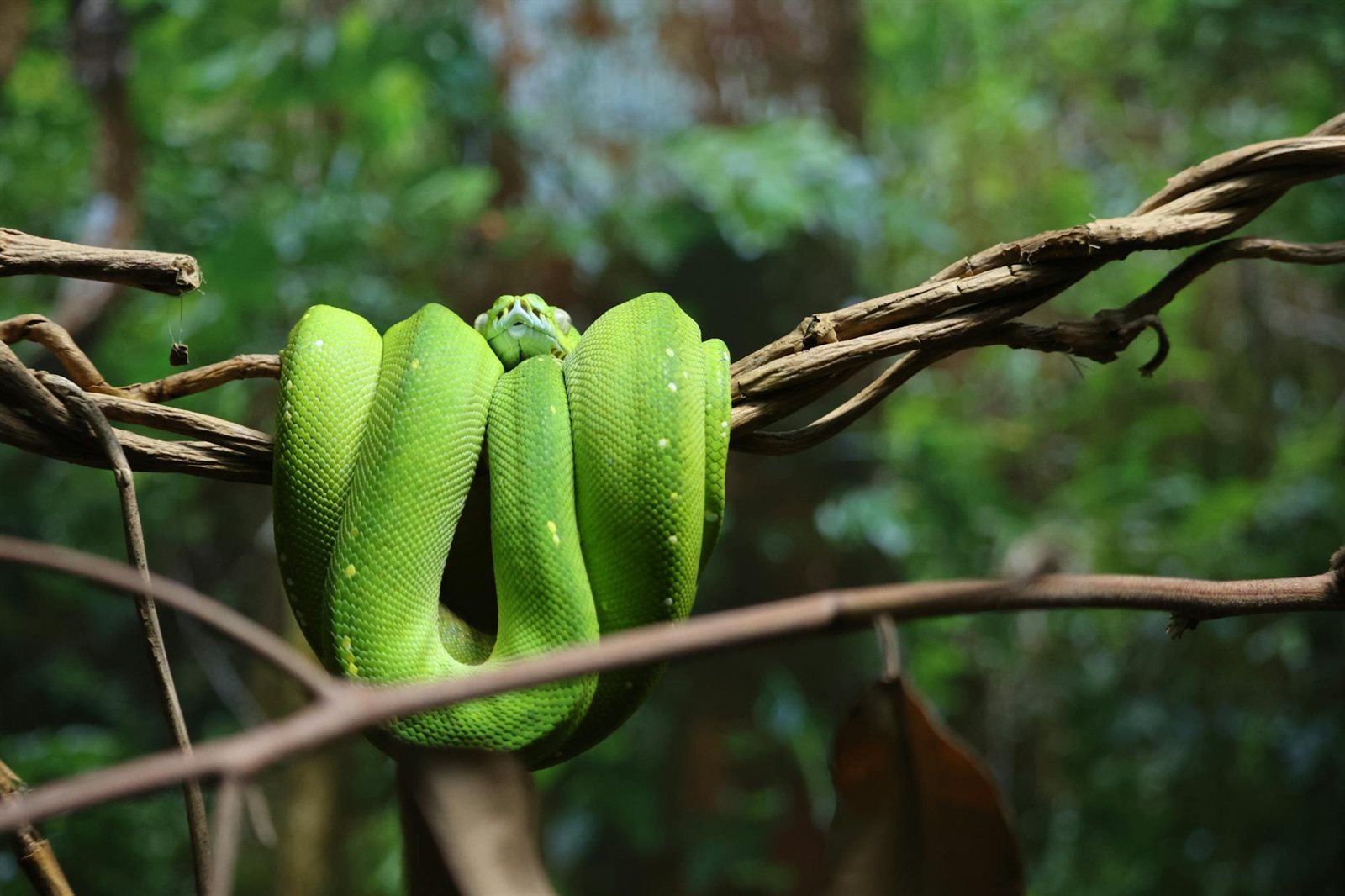
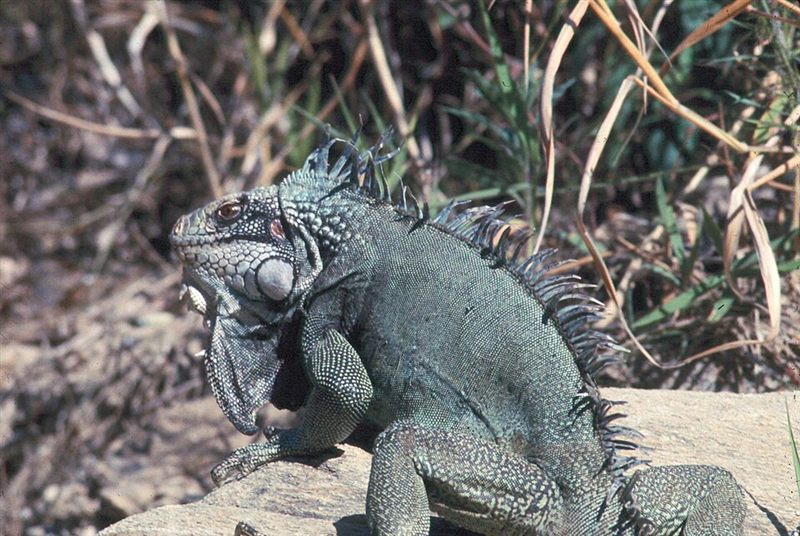
Reptiles are like the OLD animals of the world. Their family was around even before dinosaurs! And they kind of still look like little dinosaurs to me. Reptiles have scaly skin (not slimy like amphibians) and they lay eggs on land. Most reptiles are COLD-BLOODED which means they don’t make their own body heat. They have to lay in the sun to warm up. That is why you see lizards on rocks all the time.
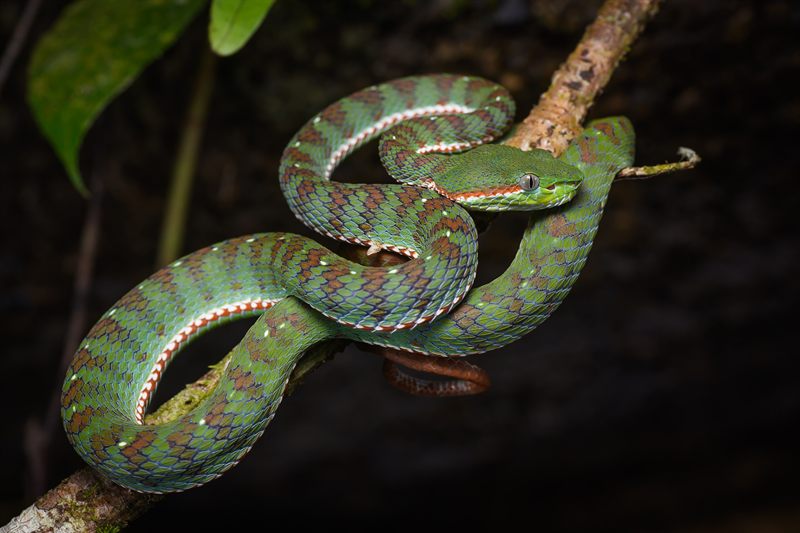
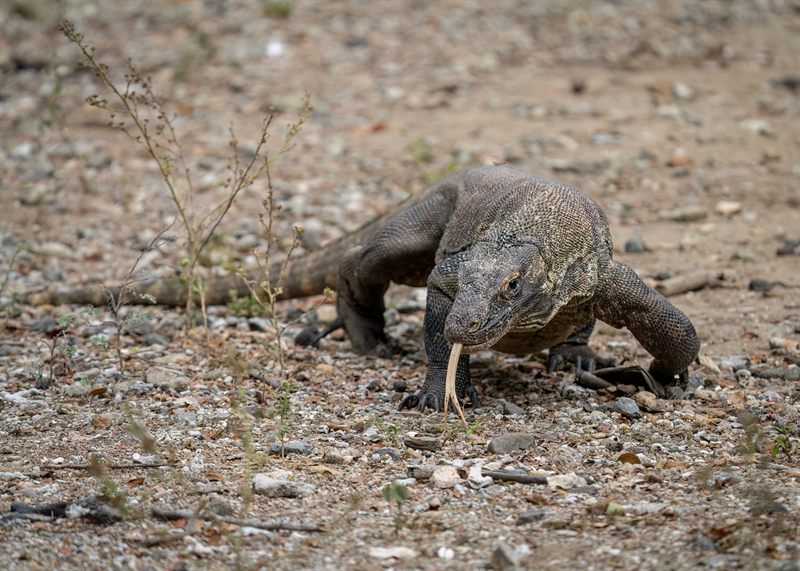
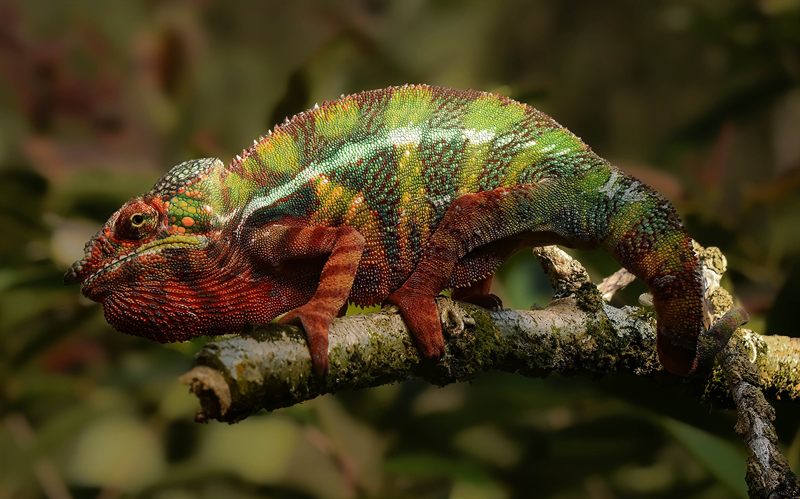
There are snakes, lizards, turtles, crocodiles, and alligators. Snakes are crazy because they don’t have any legs but they can still move really fast. They smell with their TONGUE! They flick it out and it picks up smells in the air. Lizards can drop their tail off if a predator grabs it. The tail keeps wiggling and the lizard runs away! Then it grows a new one.
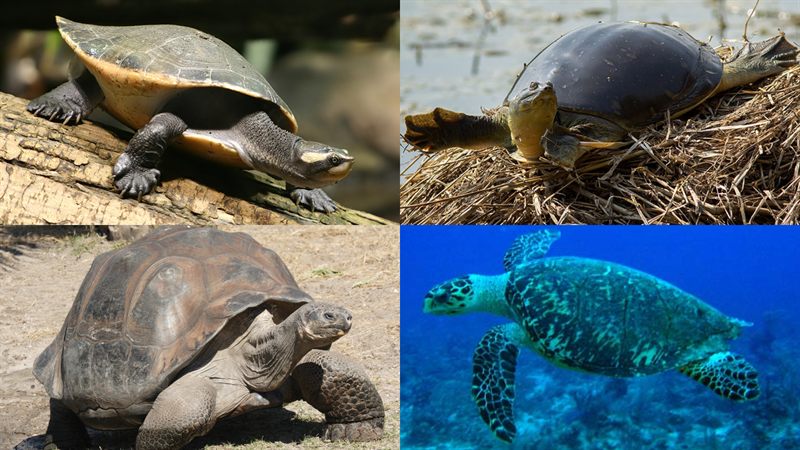
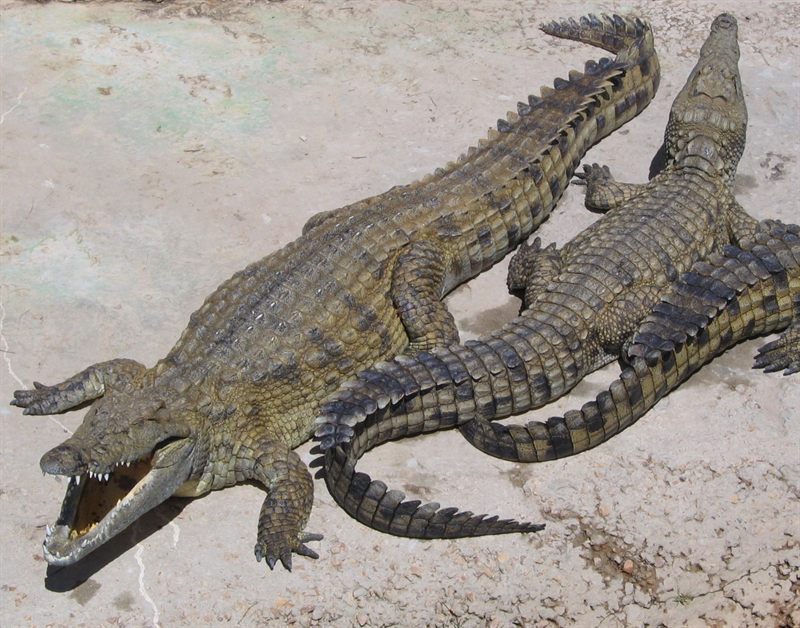
Crocodiles have the strongest BITE of any animal in the whole world. You do NOT want to be bitten by one. They can wait without moving in the water for hours. Turtles are slow but they live for a really long time. Some turtles can live MORE than 100 years! There is a tortoise named Jonathan who was born in 1832 and is STILL ALIVE. He is older than my great-great-grandma was!
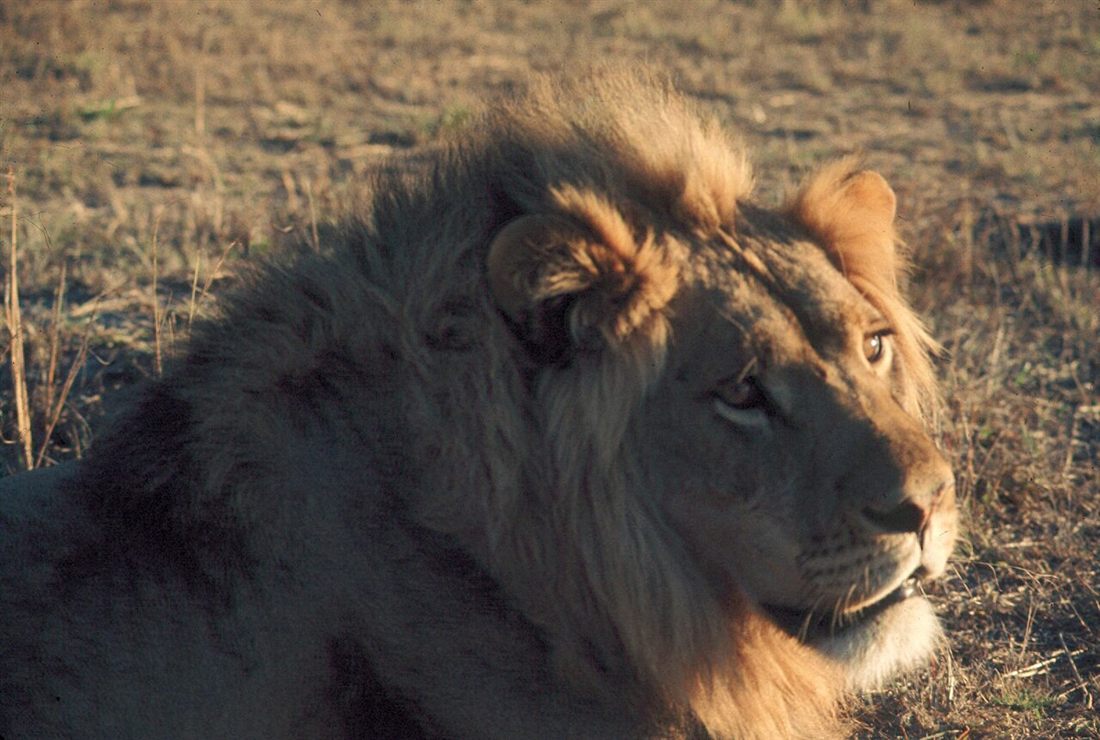
Carnivores are animals that eat meat. Just meat, no salad! They have to hunt other animals to get their food, so they have a lot of cool tools for that. Carnivores have SHARP teeth, especially in the front. Those are called canines and they are pointy for ripping. They also have strong jaws and big muscles. Their eyes face forward (like ours!) so they can tell exactly how far away their food is.
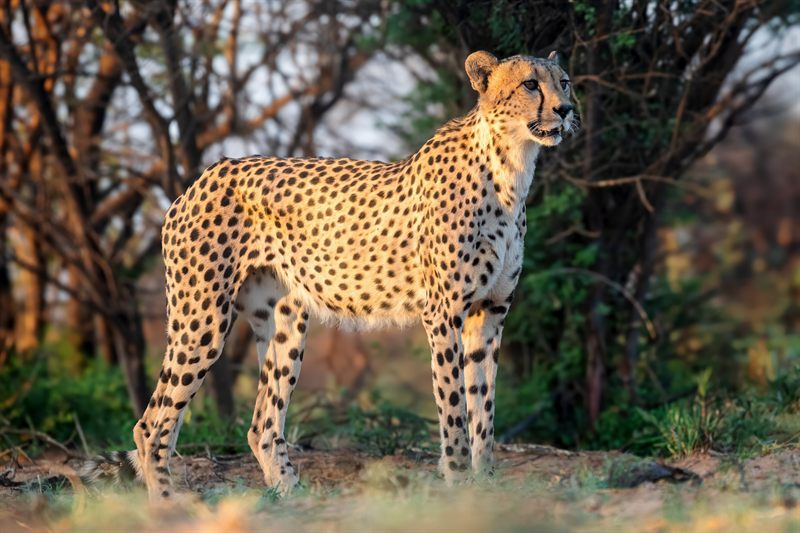
The most famous carnivores are the BIG CATS. Lions are the kings of Africa! They live in groups called prides and they hunt together. Tigers are even bigger than lions and they hunt alone. They have stripes that hide them in the grass which is sneaky and smart. Cheetahs are the FASTEST animal on land. They can run 70 miles per hour! That is faster than cars on the highway.
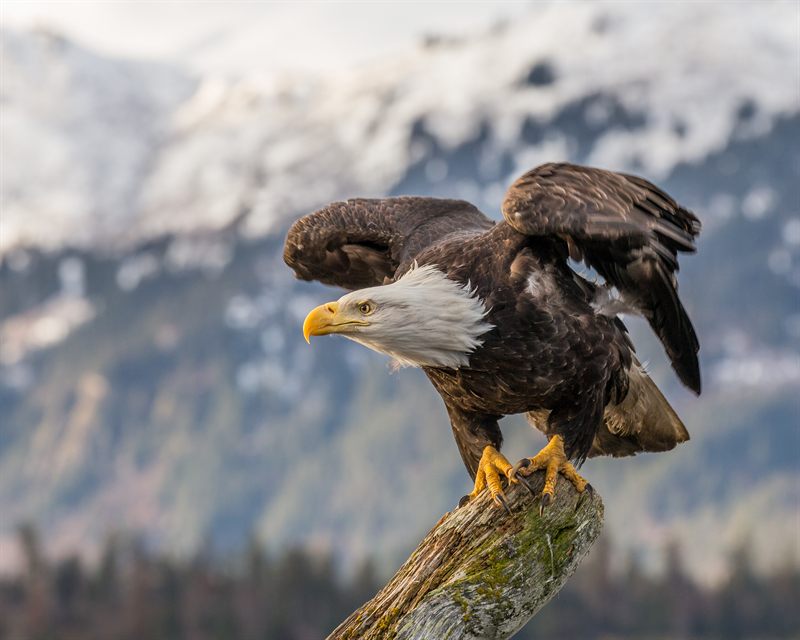
Wolves are carnivores too and they hunt in packs. Eagles are bird carnivores and they can see a tiny rabbit from 2 miles away! Some people think carnivores are mean but they are really just doing their job. They keep the other animals from getting too many. When wolves came back to Yellowstone, the WHOLE forest got better. Even the rivers changed because of the wolves. Pretty cool!
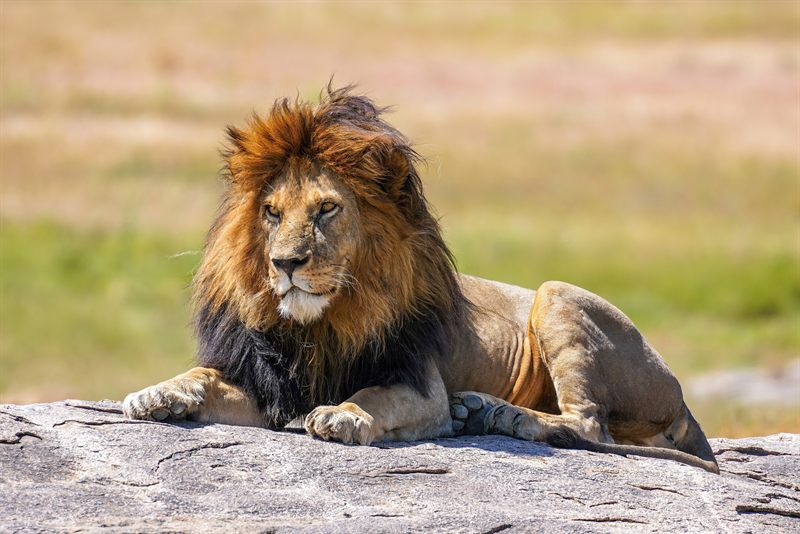
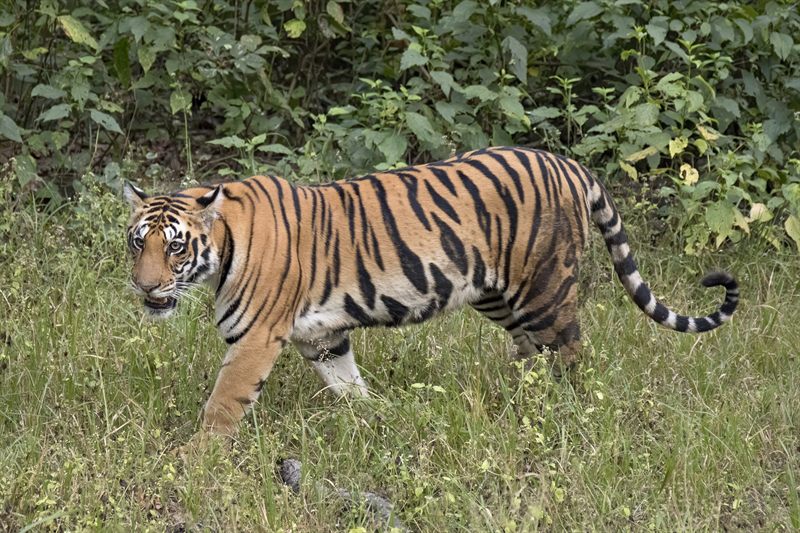
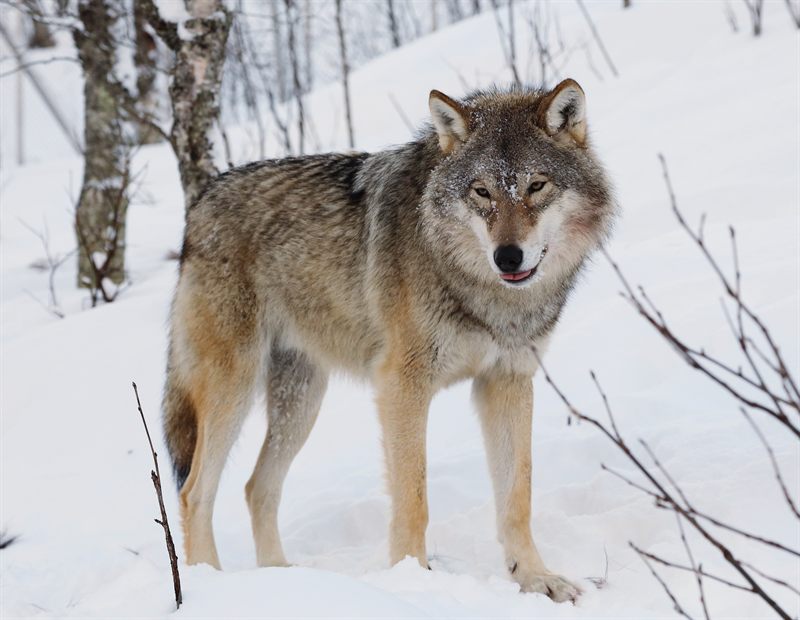
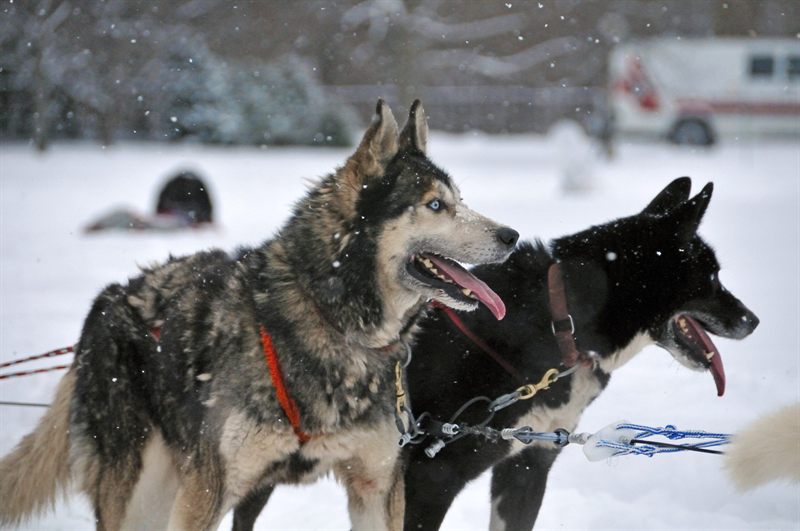
Mammals are the warm-blooded animals with FUR or HAIR. Almost all mammals have babies that come out alive (not eggs!) and the moms feed them milk. People are mammals and so are dogs and cats and elephants. Mammals are amazing because they live EVERYWHERE. There are mammals in the ocean (like whales and dolphins), mammals that fly (like bats!), mammals in the desert, and mammals in the snow.
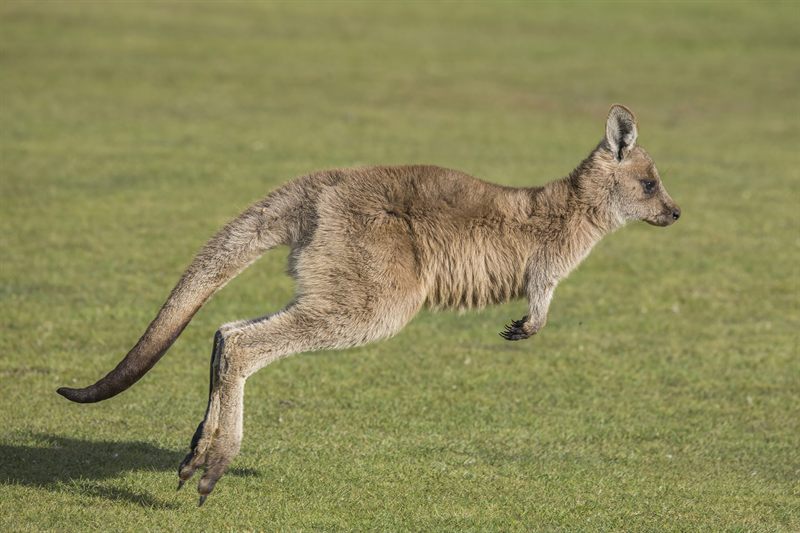
Bats are the only mammal that can REALLY fly. Other mammals just glide. Kangaroos are special mammals because their babies are TINY when they are born — like the size of a jellybean! Then the baby crawls into a pocket on the mom’s tummy and grows there. The pocket is called a pouch and the baby is called a joey. I think that is so cute.
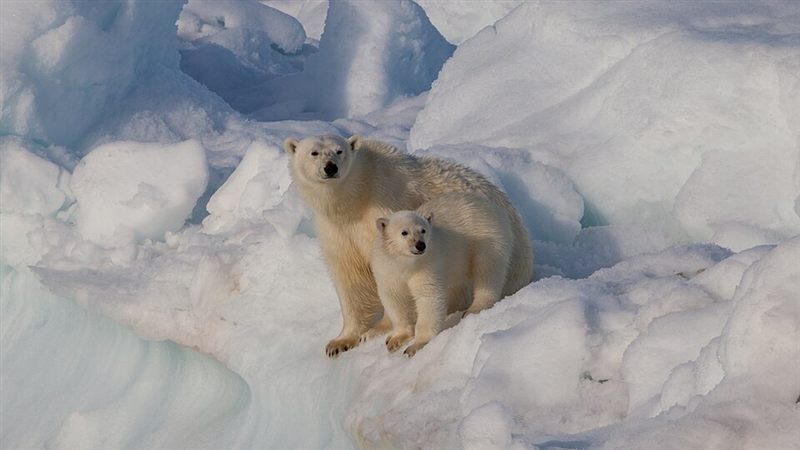
Polar bears have BLACK skin under their white fur! Their fur isn’t even really white — it is clear, like glass! It just looks white because of the way the light bounces off. Elephants are the biggest land mammal and they are SO smart. They remember things for years and years. They even cry when other elephants die. Dolphins know their own names and can recognize themselves in mirrors. Mammals have big brains and big feelings. That is why they can be your best friend.
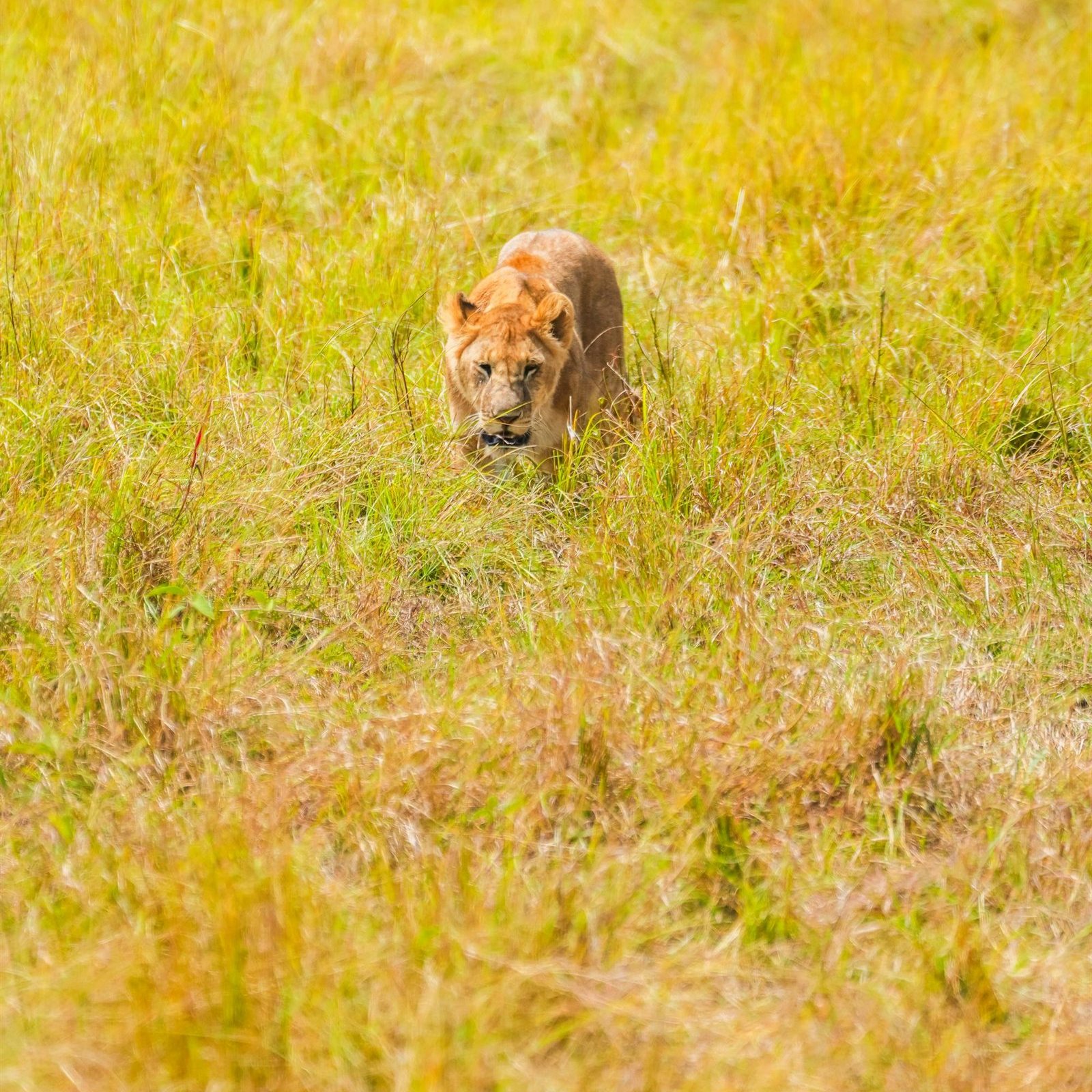
Predators are the animals that HUNT. Prey are the animals that get hunted. It sounds sad but it is just how nature works, and both are super important! Predators have stuff like sharp teeth, sharp claws, big eyes for seeing, and they are usually fast and quiet. Tigers sneak through the grass without making a SOUND. Owls fly without any noise at all. Eagles can spot a mouse from really really far away.
Prey have their own tools too! They have super good hearing, big eyes on the sides of their head so they can see almost behind them, and they can RUN. Zebras have stripes that confuse the lions when the whole herd runs together. It looks like one giant blob and the lion can’t pick which one to chase! Lots of prey animals stay in groups. Like fish swim in big schools and zebras stay in herds. There is safety in numbers!
A long time ago in Yellowstone, all the wolves were gone. Then the deer ate everything and the trees couldn’t grow. So they brought wolves back in 1995 and EVERYTHING got better. The trees came back, the birds came back, even the rivers changed shape! The wolves changed the whole park just by being there. That shows how predators and prey work together to keep nature healthy. Pretty amazing.
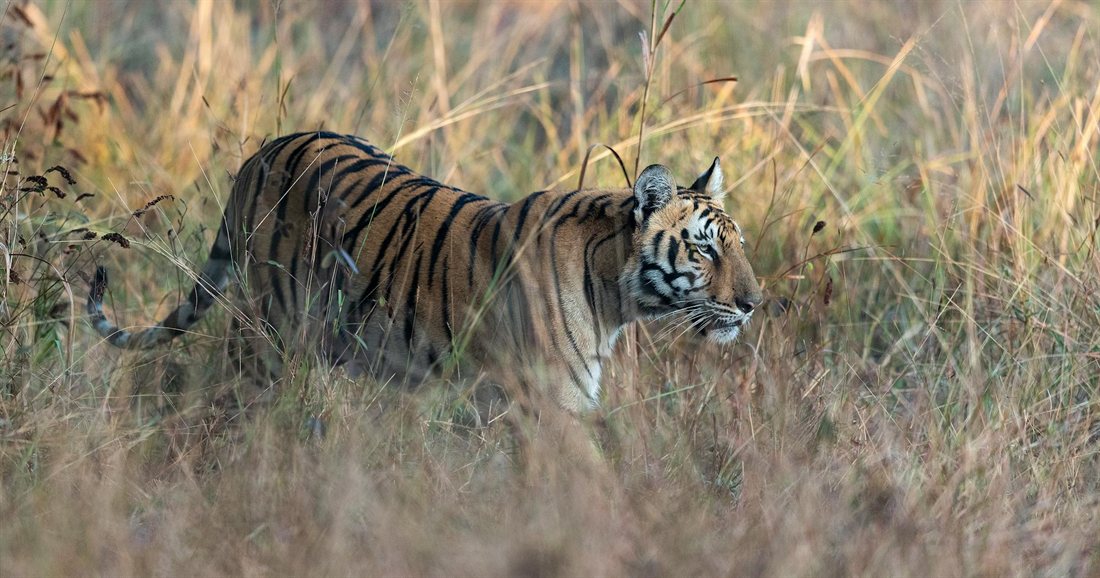
The Predator
Tools of the hunt: sharp claws, keen forward-facing eyes, powerful jaws, stealth, and explosive bursts of speed.
Strategy: Stalk silently through cover, get as close as possible, then attack with a single decisive surprise.
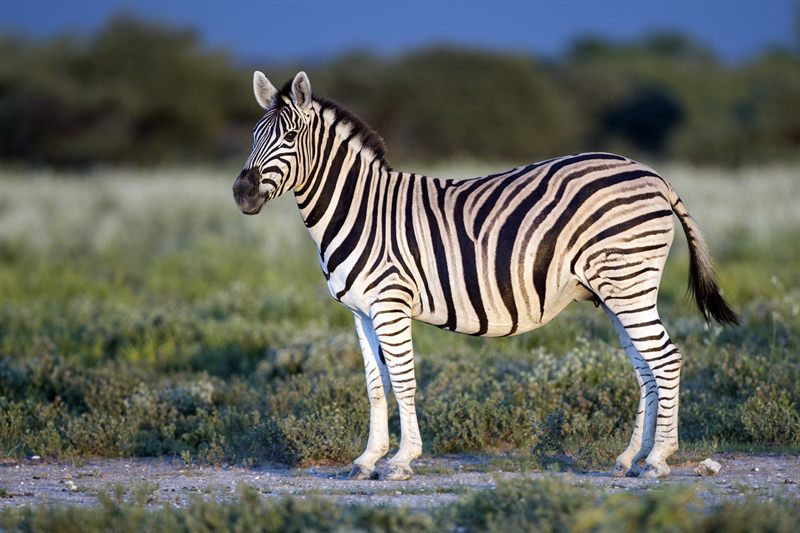
The Prey
Tools of survival: blistering speed, tight herds, clever camouflage, defensive horns, and ears or eyes that miss almost nothing.
Strategy: Spot danger early, warn the group, and either run faster than the slowest neighbor — or freeze and vanish.
- The Food Chain: Plants feed herbivores, herbivores feed carnivores, and apex predators sit at the top — but every link depends on the others.
- Camouflage Wars: Tigers wear stripes to disappear into tall grass; zebras wear stripes to confuse the very same hunter when fleeing in a herd.
- Safety in Numbers: Schools of fish, herds of wildebeest, and flocks of starlings all move as one.
- The Ripple Effect: When wolves returned to Yellowstone, deer moved differently, willows grew back, beavers returned, and even rivers reshaped their banks.
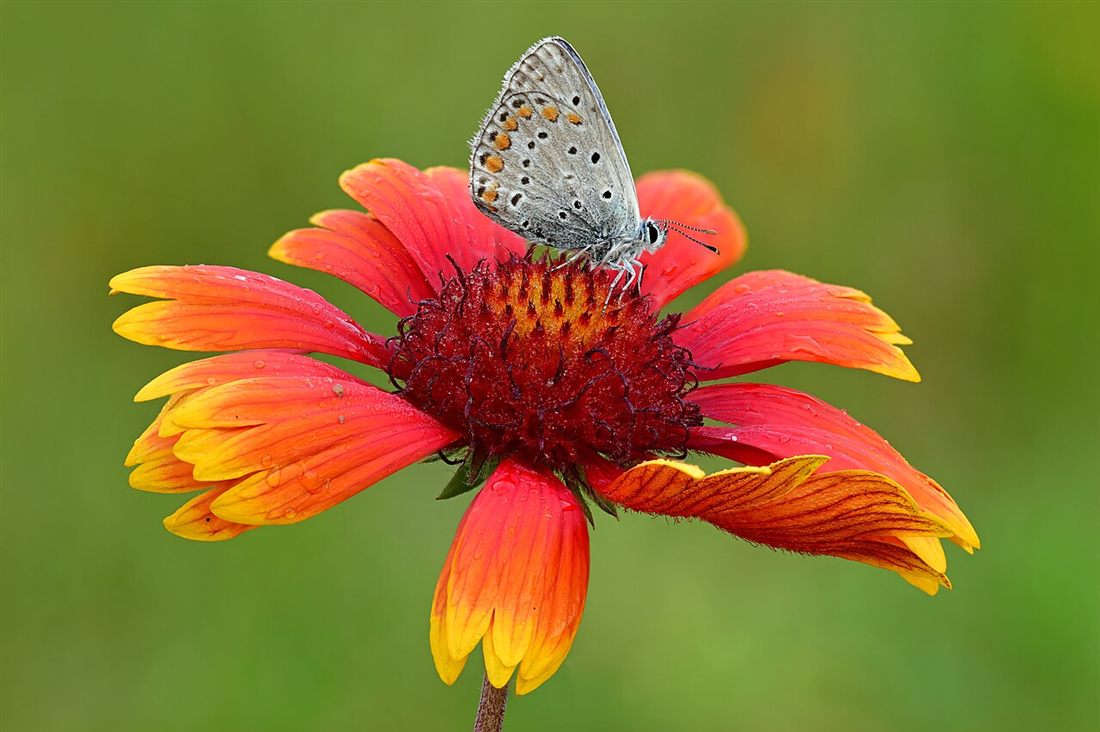
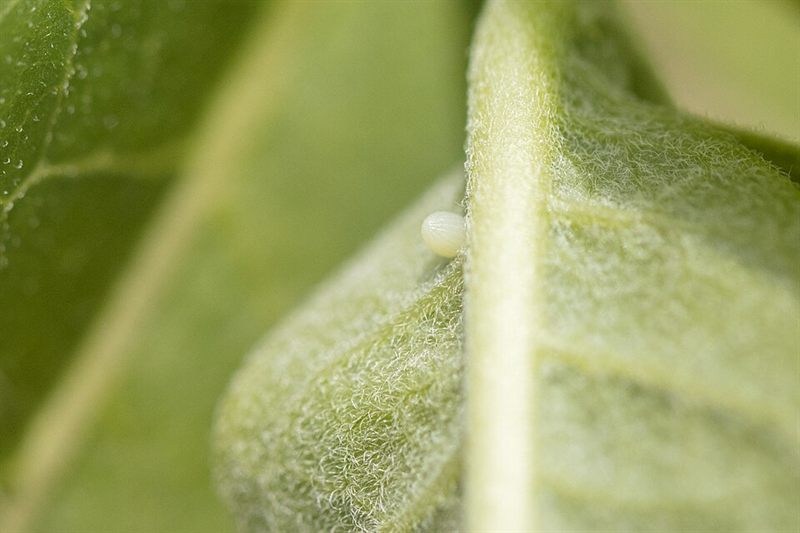
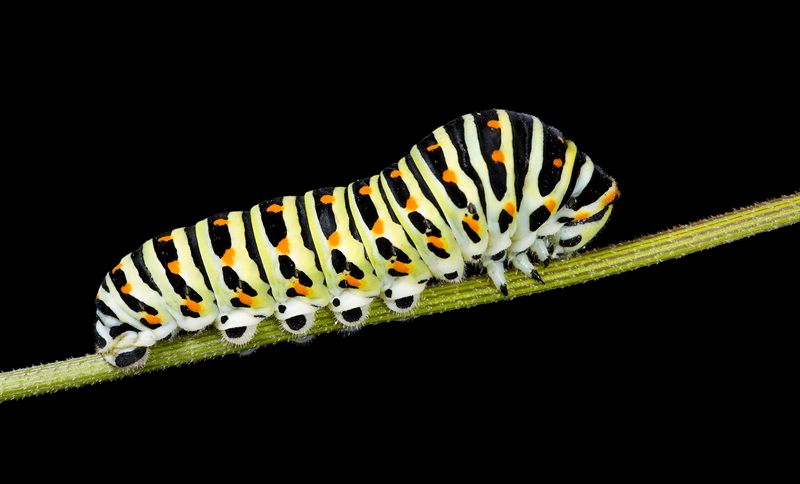
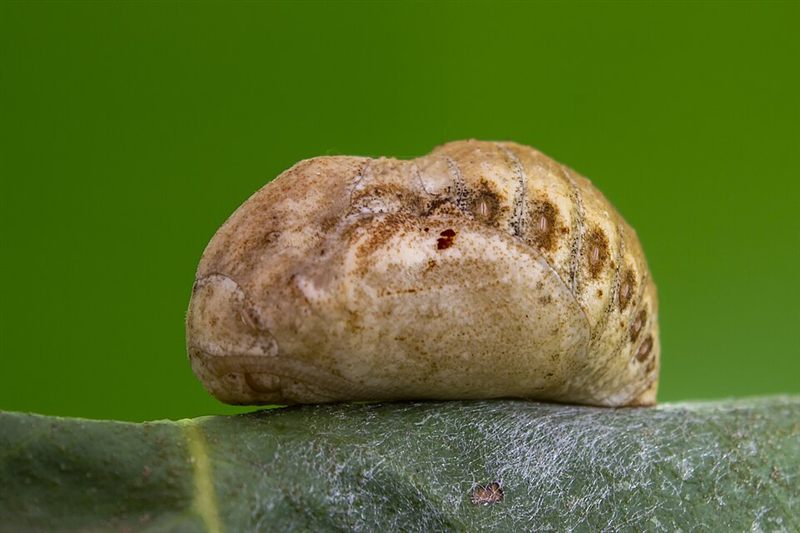
Every animal has a lifecycle. That just means how it grows up. Some animals look like little versions of their parents when they are born, but other animals change A LOT. The coolest lifecycle is the BUTTERFLY. First it is just a tiny egg on a leaf. Then it becomes a CATERPILLAR (a fat little worm that eats leaves all day). Then the caterpillar makes a chrysalis (like a sleeping bag).
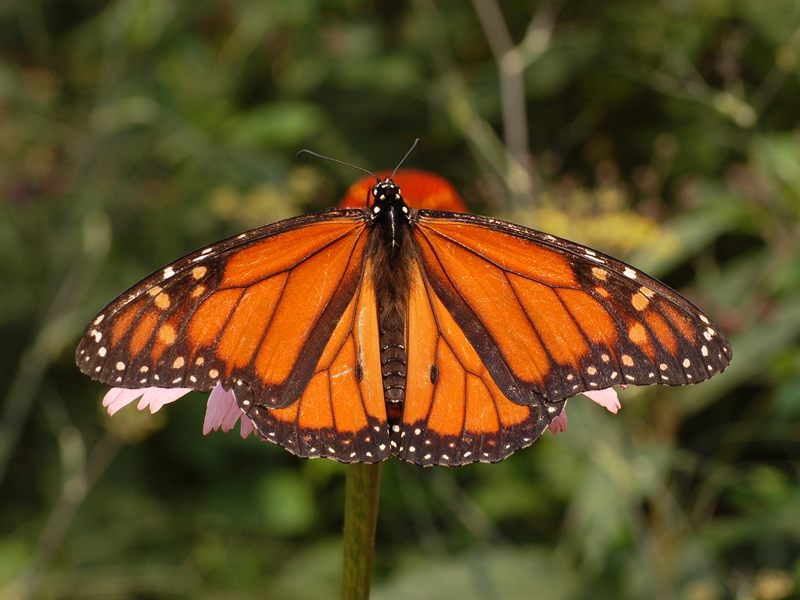
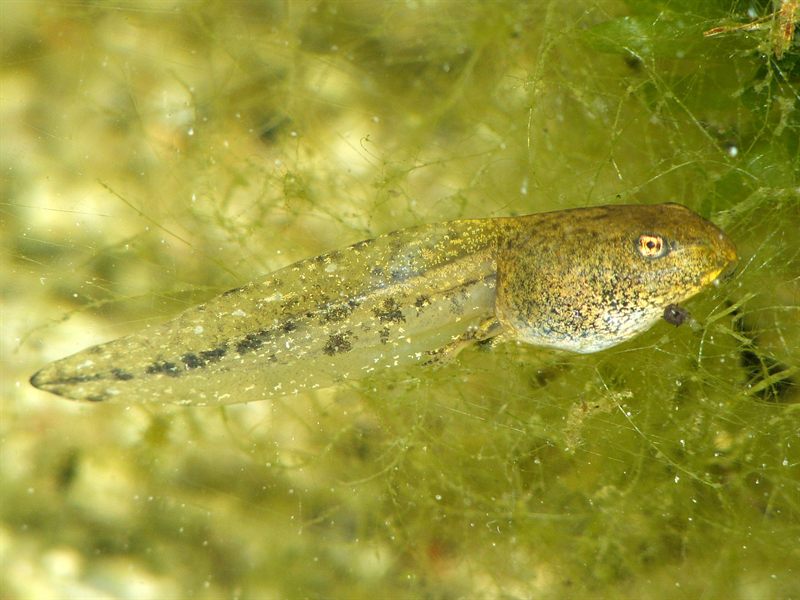
Inside the chrysalis it basically TURNS INTO SOUP and rebuilds itself into a butterfly! That is the wildest thing ever. Then a beautiful butterfly comes out. This is called metamorphosis. Frogs change a lot too. They start as eggs in a pond, then they hatch into tadpoles. Tadpoles look like little fish with tails and gills. Then slowly they grow back legs, then front legs, and their tail goes away, and they grow lungs!
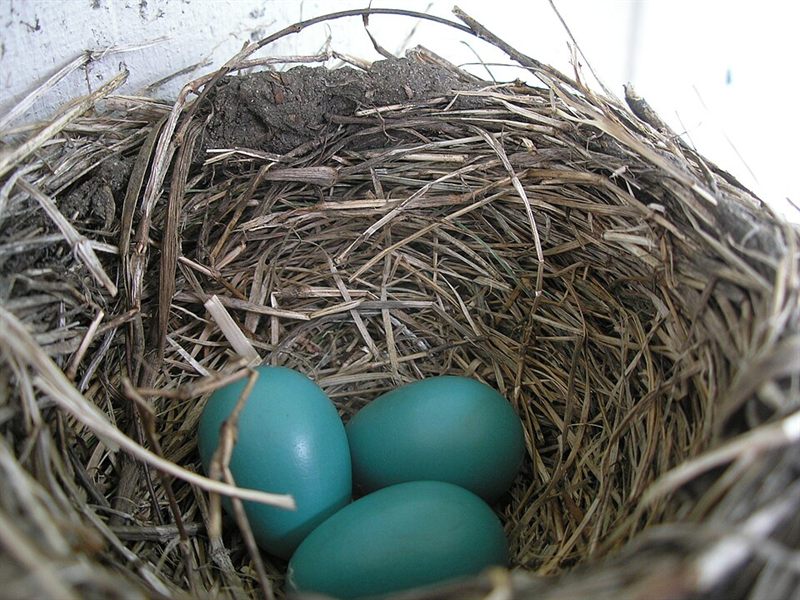
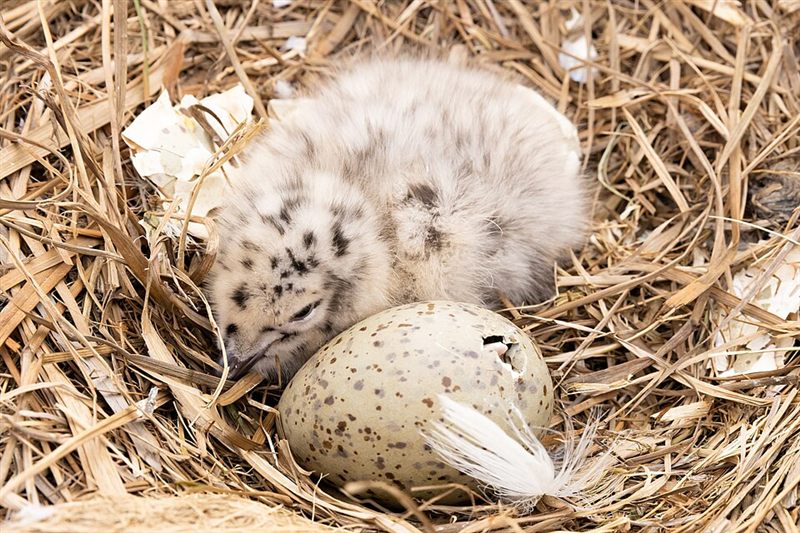
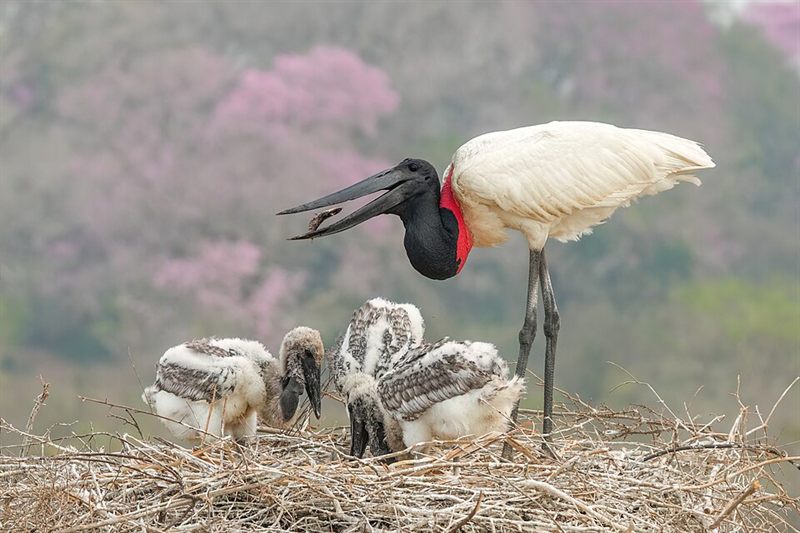
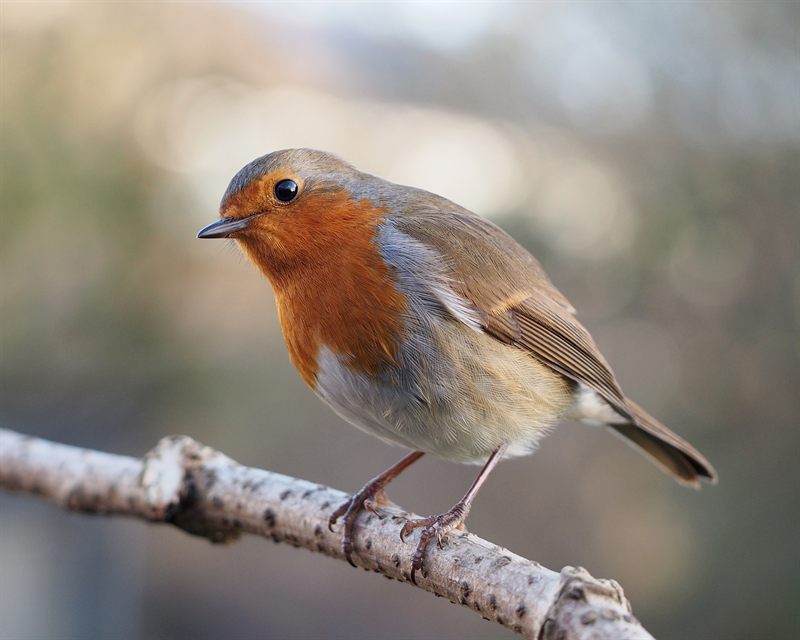
Birds start as eggs in a nest. They hatch out as tiny pink hatchlings with no feathers. Then they grow feathers and become chicks. Then they learn to fly and become adult birds. Salmon swim across the WHOLE OCEAN to lay their eggs in the same river where they were born. They are basically going home to start their kids’ life there. Then most of them die. Lifecycles are kind of like a big circle that keeps going forever.
The Butterfly — Complete Metamorphosis
The Frog — From Water to Land
The Bird — From Egg to Sky
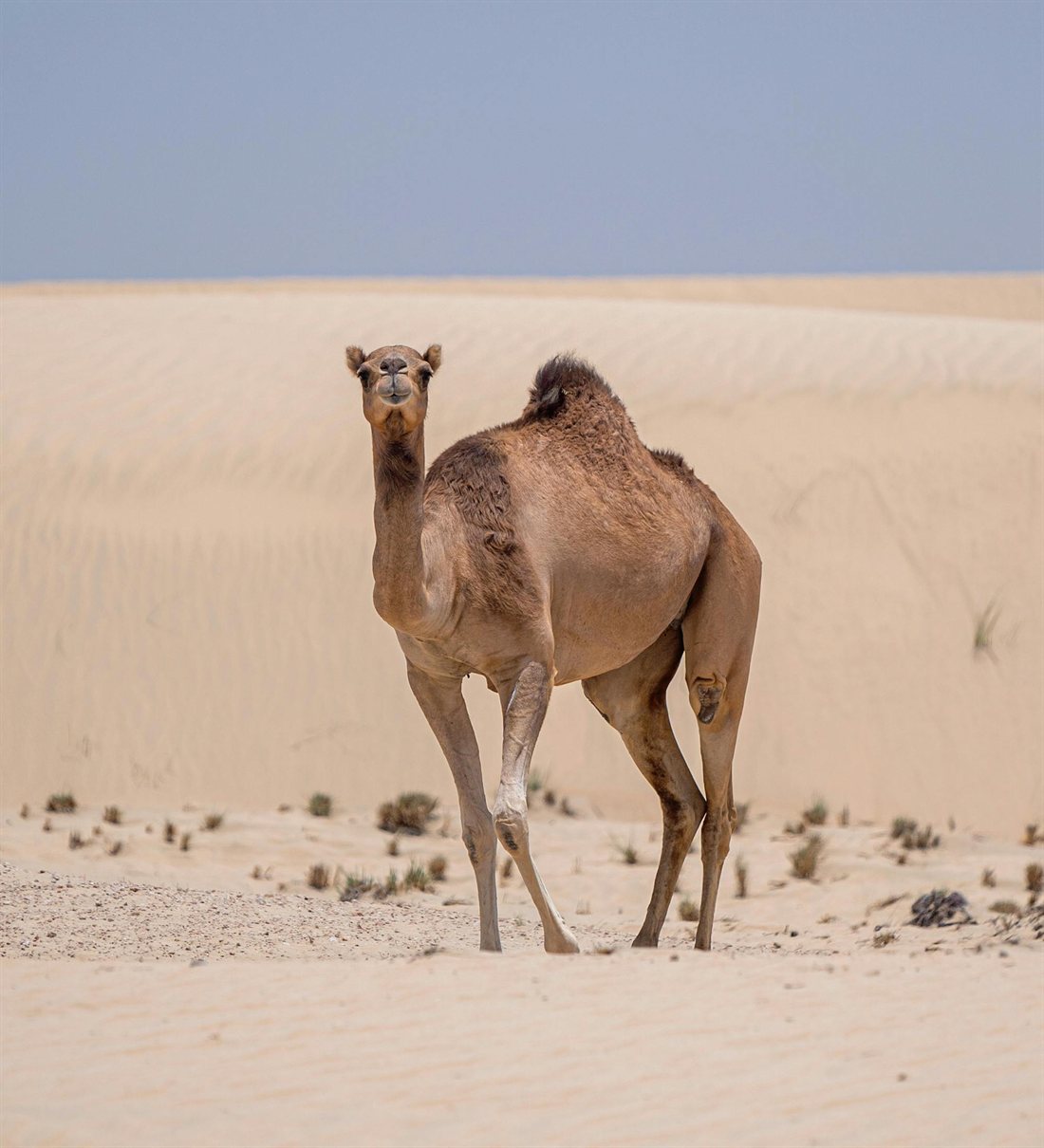
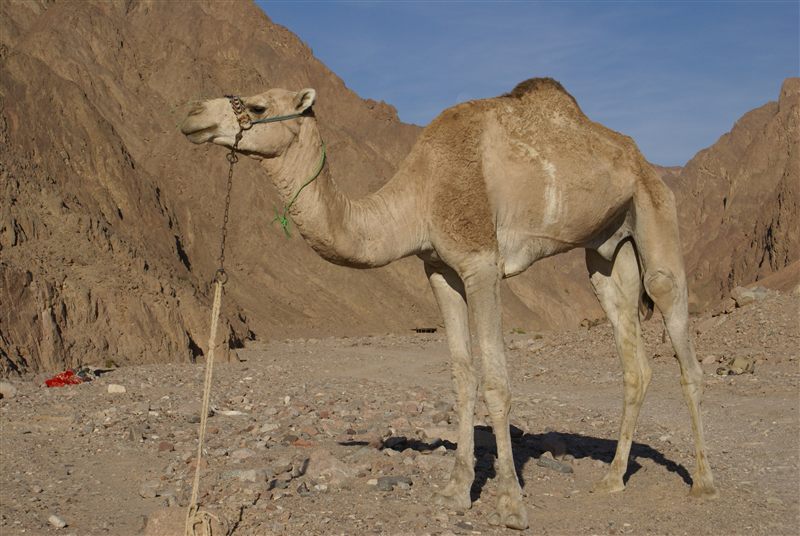
The desert is HOT in the day and FREEZING at night. It also barely ever rains there. You would think nothing could live in such a tough place, but actually a LOT of animals live in the desert! They are super tough. Camels are the most famous desert animal. They have a HUMP on their back but the hump isn’t water — it is actually FAT! They can go a really long time without drinking.
Camels have long eyelashes to keep sand out of their eyes and they can close their nose holes in a sandstorm. Kangaroo rats are amazing because they NEVER drink water. Like, never in their whole life! They get all their water from eating dry seeds. How does that even work?? Their body just makes the water inside them.
Fennec foxes have HUGE ears that are almost as big as their head. The big ears help them stay cool because heat goes out of the ears. They are also super cute. Lizards have to lift TWO LEGS at the same time to walk on hot sand because the sand burns their feet. They do this funny little dance! Most desert animals come out at night because it is too hot in the day. They hide underground or under rocks where it is cooler. The desert seems empty but really it is full of animals that figured out how to survive.
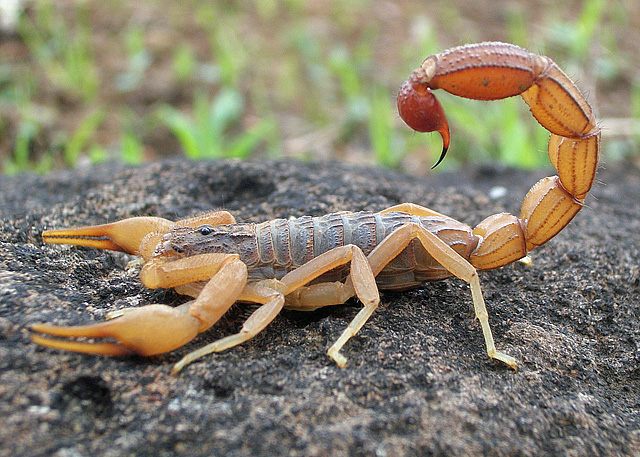
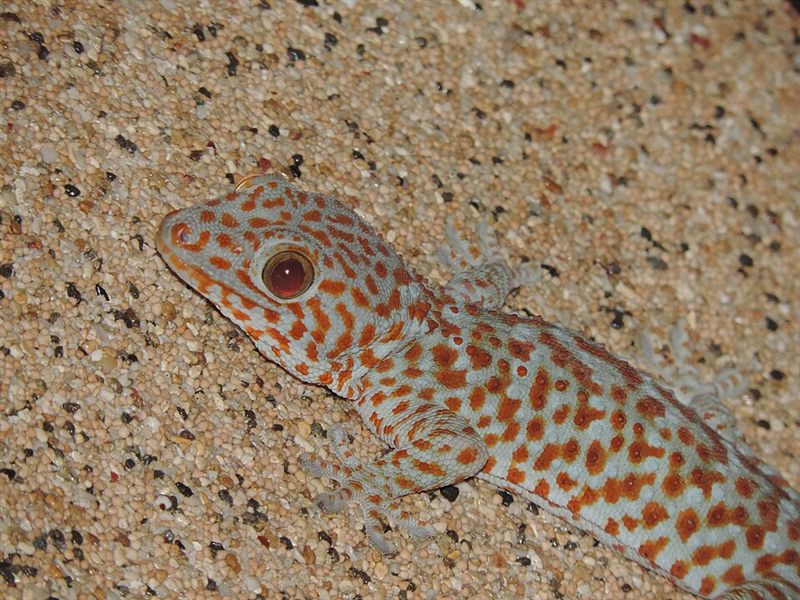
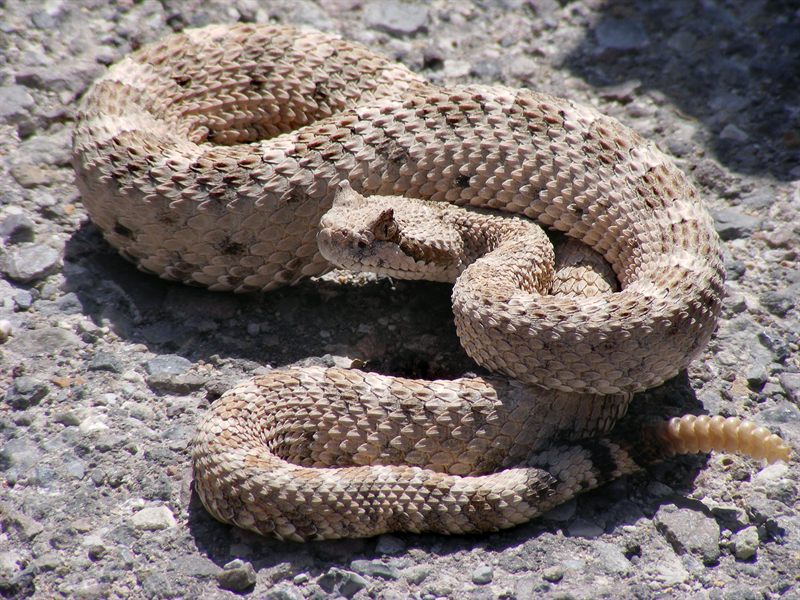
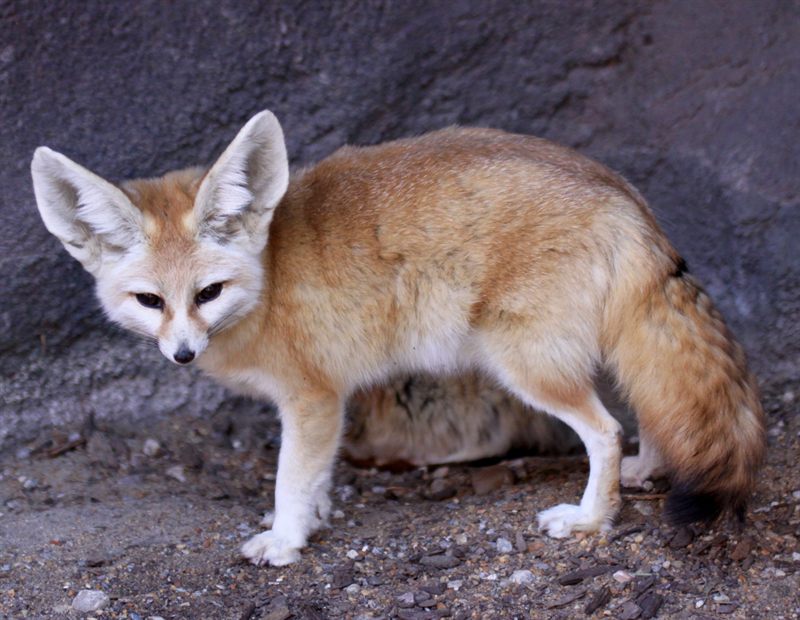
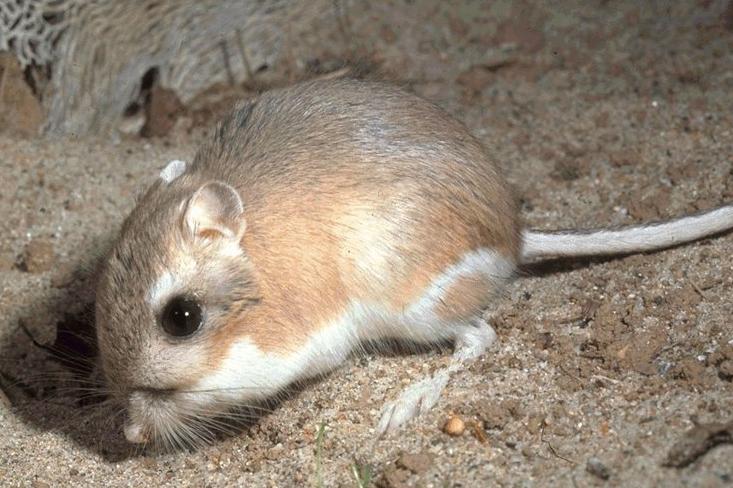
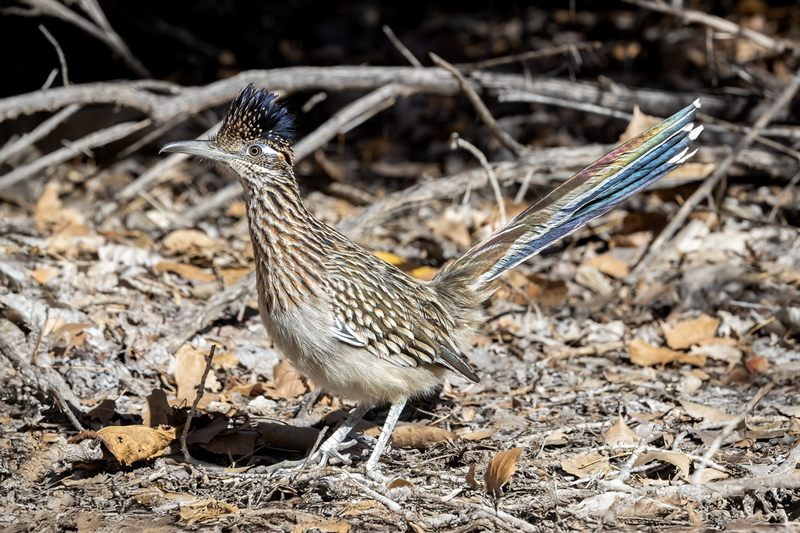
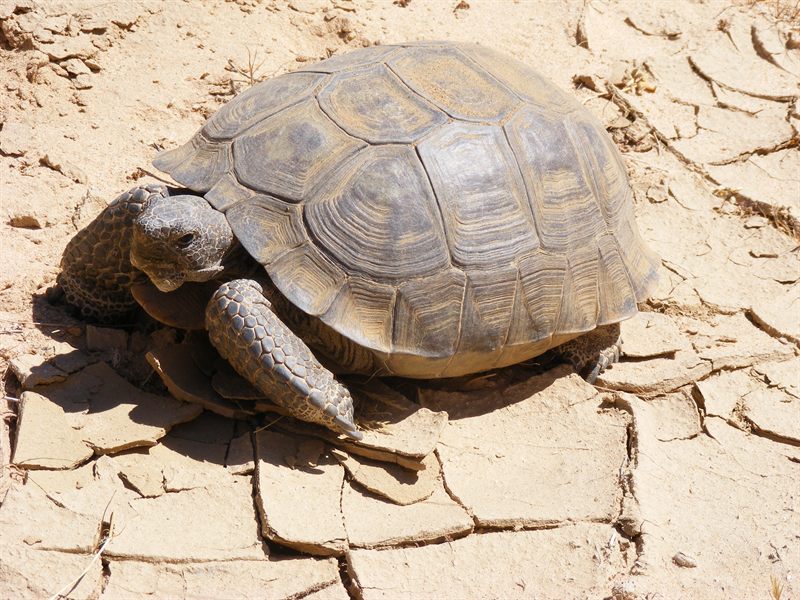
- Underground Living: Many desert animals dig deep burrows to escape surface temperatures that can climb past 130°F.
- Light Colors: Pale fur, sandy scales, and white feathers reflect harsh sunlight to keep bodies cool.
- Children of the Night: Most desert creatures are nocturnal — emerging only when the sun finally sets.