Charles Darwin loved beetles, birds, and every living thing he could find. He sailed around the world on a ship called the Beagle, and what he saw led him to one of the biggest ideas in all of science: how animals and plants slowly change over millions of years.
Quick facts
- Born
- 12 February 1809, Shrewsbury, England
- Died
- 19 April 1882, Down, England
- Famous for
- The theory of evolution by natural selection
- Famous book
- On the Origin of Species (1859)
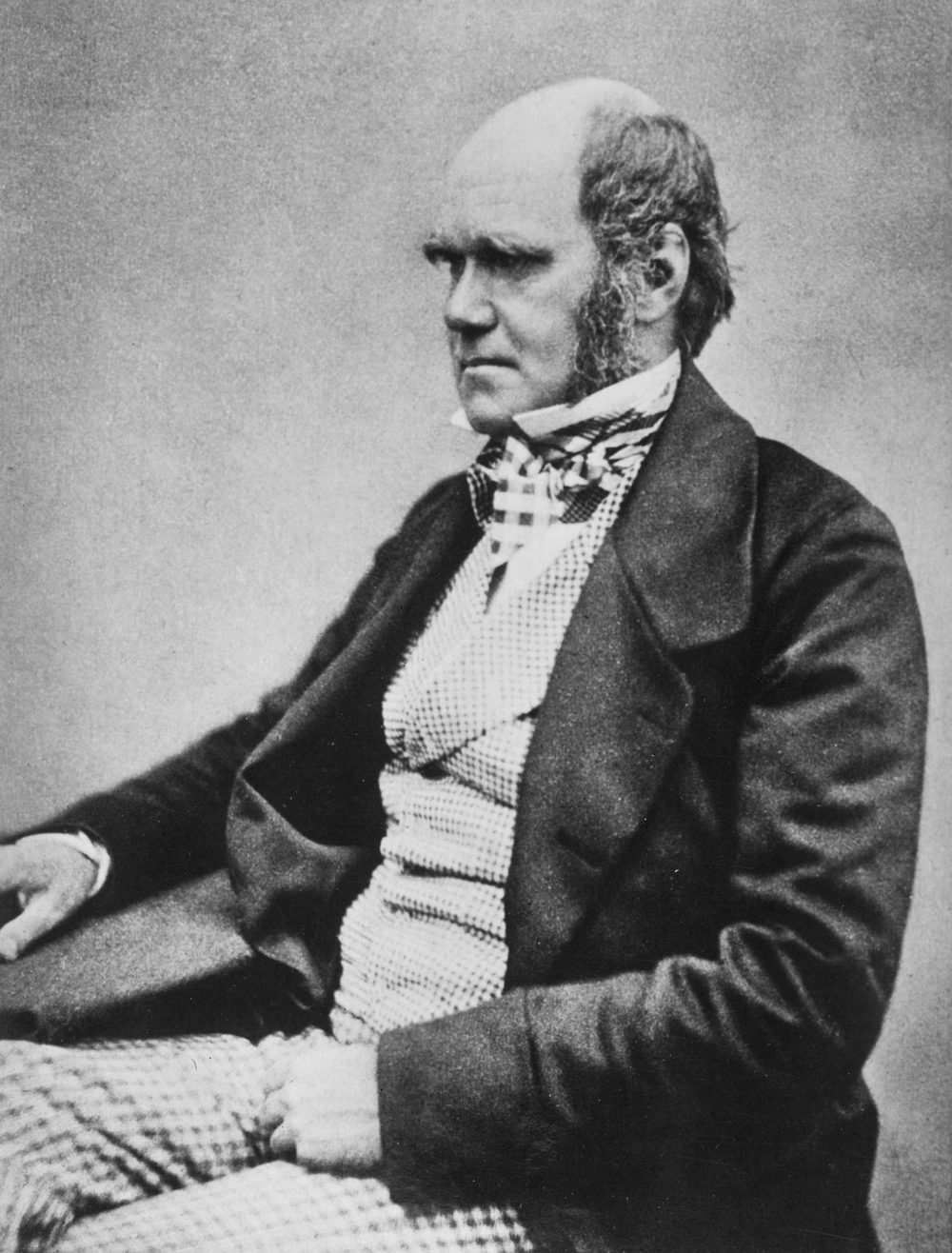 🖼️ Photo coming soon
A great big voyage
When Darwin was young, he joined a five-year journey on the ship HMS Beagle. He explored jungles, mountains, and islands, collecting plants, fossils, and animals — and writing down everything he noticed.
The amazing Galápagos
On the Galápagos Islands, Darwin saw giant tortoises and little birds called finches. He noticed that the same kind of animal looked a bit different on each island. This puzzle started him thinking very hard.
The big idea
Darwin realized that living things that fit their home best are more likely to survive and have babies, slowly passing on helpful traits. Over a very long time, this can turn one kind of creature into many — he called it natural selection.
"A man who dares to waste one hour of time has not discovered the value of life." — Charles Darwin
Why we remember him
Darwin taught us that all living things are connected, like one giant family tree. His careful curiosity is a lot like Isaac Newton's — both watched the world closely and uncovered its secrets.